Low-Maintenance Landscaping Ideas for Busy Homeowners
July 23, 2026
The best low-maintenance landscaping ideas come down to four moves: choose hardy, slow-growing plants that fit our climate, shrink or replace high-upkeep lawn, add hardscape that never needs watering or mowing, and set the yard up correctly from the start with good beds, mulch, and irrigation. Do those and you get a yard that looks sharp with a fraction of the weekend work. This guide covers each with specific, usable ideas.
At Obee Landscaping LLC, we design, install, and maintain landscapes across central Connecticut, from Wethersfield and Newington to Glastonbury, Middletown, and Manchester. We see firsthand which plants and layouts actually stay easy to care for through a full Connecticut year, so the ideas below are the ones that hold up, not just the ones that sound low-effort.
Use the guide to jump to the ideas that fit your yard, then see which choices work best in our Zone 6 climate at the end.
In This Guide
- Low-maintenance plant ideas: Hardy plants that mostly care for themselves.
- Reduce or replace the lawn: Cut the mowing without losing looks.
- Low-maintenance hardscape ideas: Surfaces that never need watering.
- Smart setups that cut upkeep: Mulch, irrigation, and edging done right.
- High-upkeep vs low-upkeep swaps: Simple trades that save hours.
- Where low-maintenance landscaping goes wrong: Mistakes that add work.
- Ideas for the Connecticut climate: What thrives in Zone 6.
- Frequently asked questions: Quick answers to common questions.
Low-Maintenance Plant Ideas
The plants you choose decide most of your future workload. Picking the right ones means less watering, less pruning, and less replacing.
The general rule is to favor plants that are hardy, slow-growing, and suited to the spot you are putting them. A plant fighting the wrong sun, soil, or climate will always demand more attention than one that is naturally at home there.
Native and Perennial Plants
Native plants are adapted to Connecticut conditions, so they need less water, fertilizer, and fussing once established. Perennials return each year instead of being replanted like annuals, which saves both money and the yearly work of starting over.
- Coneflower and black-eyed Susan for reliable summer color.
- Daylilies and hostas that spread and fill space on their own.
- Sedum and catmint that shrug off heat and drought.
Grouping plants with similar water and light needs keeps them healthy and cuts your effort even further.
The trick is choosing plants that spread on their own but stay in bounds. Vigorous perennials fill gaps so you plant fewer of them, and dividing an overgrown clump every few years gives you free plants for the next bed instead of a trip to the nursery.
Evergreen Shrubs and Ornamental Grasses
Evergreen shrubs give year-round structure without dropping leaves to rake or needing constant shaping. Slow-growing varieties are the key, since they hold their form for years with little intervention.
Boxwood, juniper, and dwarf conifers are dependable choices, and ornamental grasses like switchgrass and little bluestem add movement and texture while asking for almost nothing beyond a single spring cutback.
Avoid fast-growing hedges that need shearing several times a season, since they quietly become one of the biggest chores in a yard. A slow, naturally compact shrub gives you the same structure without the ladder and the clippings.
Groundcovers Instead of Bare Beds
Bare mulch beds invite weeds, so filling them with low groundcover is a smart low-upkeep move. A dense groundcover crowds out weeds and rarely needs attention once it has filled in, which is exactly what you want in a hands-off yard.
Creeping thyme, pachysandra, and creeping juniper spread to cover ground and hold soil on slopes, turning a weedy problem area into a self-sustaining one.
Groundcovers are especially useful on banks and under trees where mowing is awkward and grass struggles anyway. Once they knit together, they need little more than an occasional trim at the edges to keep them where you want them.
Reduce or Replace the Lawn
Turf grass is the single most demanding part of most yards. It needs mowing, watering, feeding, and edging all season, so shrinking it is the fastest way to cut work and reclaim your weekends.
Shrink the Turf Footprint
You do not have to remove the lawn entirely to see a difference. Reducing it strategically keeps the parts you use and eliminates the parts you only maintain.
- Expand planting beds into hard-to-mow corners and edges.
- Replace narrow grass strips between beds with mulch or stone.
- Keep a defined lawn shape that is quick and simple to mow in straight passes.
A smaller, well-shaped lawn also looks more intentional than a large one dotted with obstacles.
Trees, beds, and other obstacles are what make mowing slow, since every one forces the mower to stop, turn, and trim around it. Consolidating those obstacles into a few larger beds leaves clean, open turf that mows in a fraction of the time.
Lawn Alternatives
Where grass struggles or goes unused, an alternative surface removes the upkeep entirely. The right choice depends on how the space is used.
Stone or gravel beds, groundcover, and expanded mulch areas all replace turf with something that needs no mowing. Our guide on mulch vs stone beds compares the two most popular options so you can pick the right one for each area.
For shady spots where grass thins out no matter what, a shade-tolerant groundcover is far less frustrating than fighting to keep turf alive. Matching the surface to the conditions, rather than forcing grass everywhere, is one of the biggest time-savers there is. Our
mowing frequency guide can also help you keep the lawn you do keep on an efficient schedule.
Low-Maintenance Hardscape Ideas
Hardscape is the ultimate low-maintenance element. A patio or walkway never needs watering, mowing, or feeding, and quality materials look good for decades with only the occasional cleaning.
Patios and Walkways
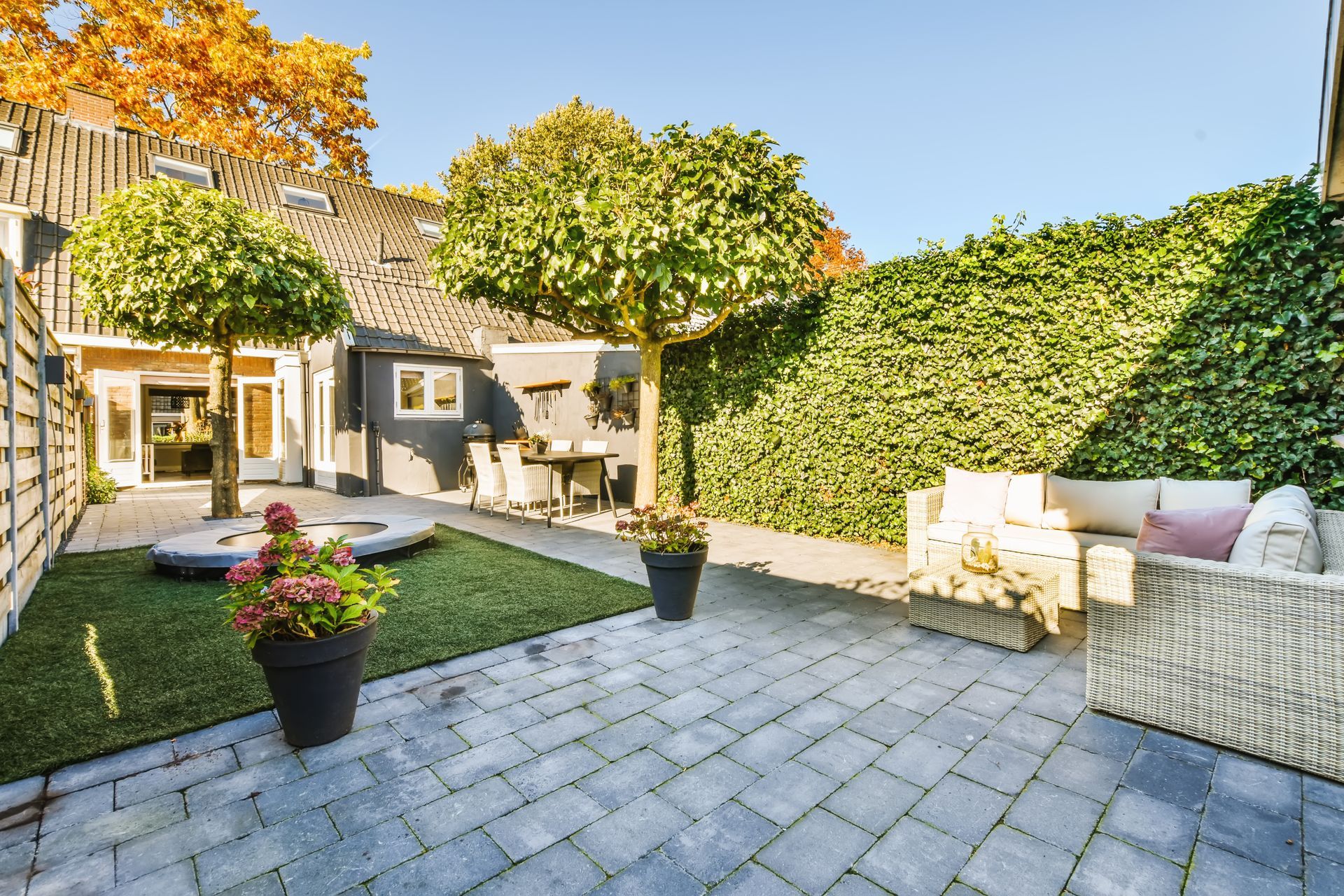
Replacing a chunk of lawn with a paver patio creates usable outdoor space that takes almost no upkeep. A defined walkway does the same while organizing the yard.
- Paver patios turn a maintenance zone into a living space.
- Stone or paver walkways replace worn grass paths that never grow in.
- Gravel areas work for casual seating and side yards.
Well-installed pavers stay put for years, which is exactly why base preparation matters so much.
The upkeep on a paver surface is minimal: an occasional sweep, a rinse, and re-sanding the joints every few years. Compared to the weekly demands of the lawn it replaces, a patio or walkway is close to maintenance-free once it is in.
Retaining Walls and Edging
On a sloped yard, a retaining wall turns hard-to-mow banks into flat, usable, low-upkeep terraces. It also manages water and holds soil in place, solving two problems with one feature.
Crisp bed edging, whether stone, steel, or a cut edge, keeps grass out of beds and beds out of grass, which cuts one of the most repetitive yard chores down to almost nothing.
A hard edge also gives the whole yard a finished look with zero ongoing effort. Where a cut edge needs redefining each season, a permanent stone or steel edge holds its line for years and never needs touching up.
Smart Setups That Cut Upkeep
How a yard is built matters as much as what goes in it. A few setup decisions quietly save hours across the season.
Mulch and Bed Design
A good layer of mulch suppresses weeds, holds moisture so you water less, and feeds the soil as it breaks down. Refreshing it once a year is far less work than constant weeding.
Deep, well-defined beds are easier to maintain than thin strips, since they give plants room to fill in and shade out weeds. Fewer, larger beds beat many small scattered ones.
Curving bed lines so they flow in one continuous edge also speeds up mowing and trimming, because the crew can follow a smooth line instead of navigating tight corners and islands. Small design choices like this add up across a whole season.
Efficient Irrigation
Hand-watering is a time sink, and it is easy to overdo or forget. A simple drip irrigation system delivers water straight to the roots on a timer, which saves both time and water.
Drip lines also keep foliage dry, which reduces the fungal issues that plague overhead sprinklers, and they waste far less to evaporation. Adding a rain sensor means the system skips watering after a storm, so you are not paying to water a yard that is already soaked.
Pairing efficient irrigation with proper
drainage keeps plants healthy without standing water, so you spend less time troubleshooting soggy or dry spots.
High-Upkeep vs Low-Upkeep Swaps
Sometimes the easiest path to a low-maintenance yard is trading one element for a simpler version. This table shows the swaps that save the most time.
| High-Upkeep Element | Low-Upkeep Swap | Time Saved |
|---|---|---|
| Large turf lawn | Reduced lawn plus beds | Weekly mowing |
| Annual flowers | Native perennials | Yearly replanting |
| Bare mulch beds | Groundcover plantings | Ongoing weeding |
| Grass paths | Paver or stone walkways | Reseeding and mowing |
| Hand watering | Drip irrigation on a timer | Daily watering |
None of these sacrifice looks. In most cases the low-upkeep version looks more polished than the high-maintenance one it replaces.
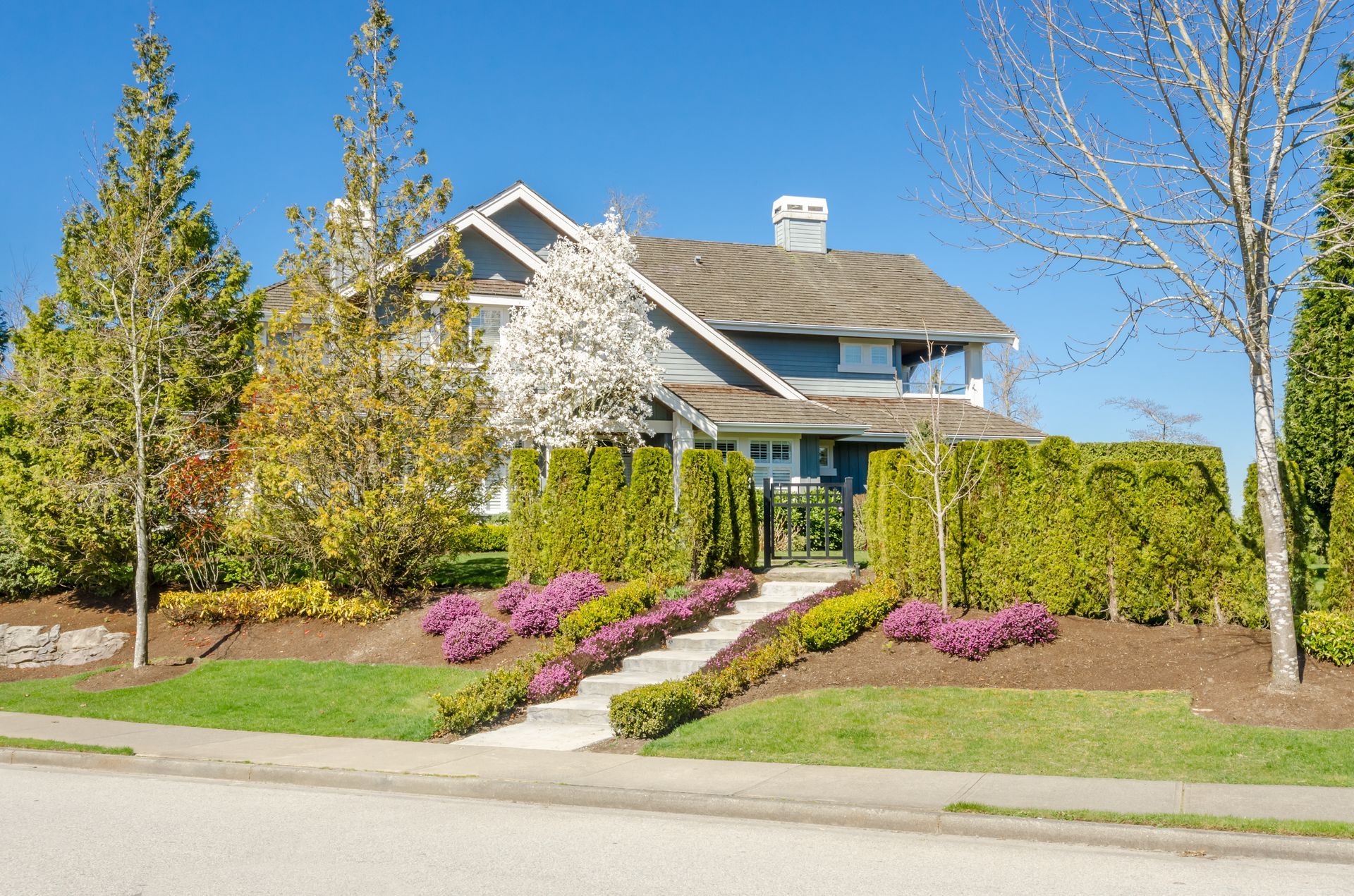
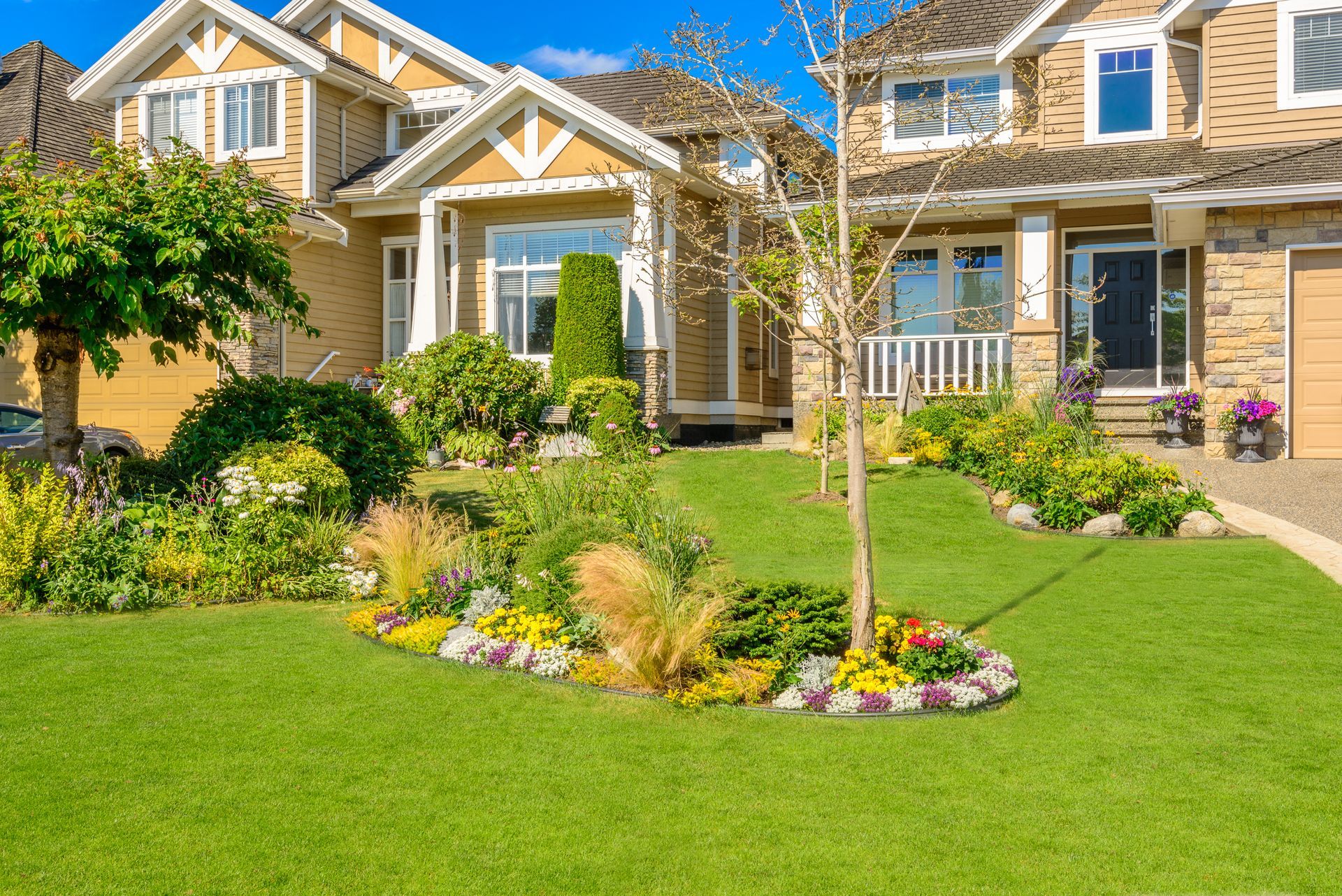
Where Low-Maintenance Landscaping Goes Wrong
Plenty of well-meant low-maintenance plans end up creating more work, not less. Avoiding a few common mistakes keeps your yard genuinely easy.
Mistakes That Add Work
- Planting too densely so everything needs thinning and dividing in a few years.
- Skipping the weed barrier and edging, which lets grass and weeds creep into beds.
- Choosing fast growers like certain hedges and vines that demand constant cutting.
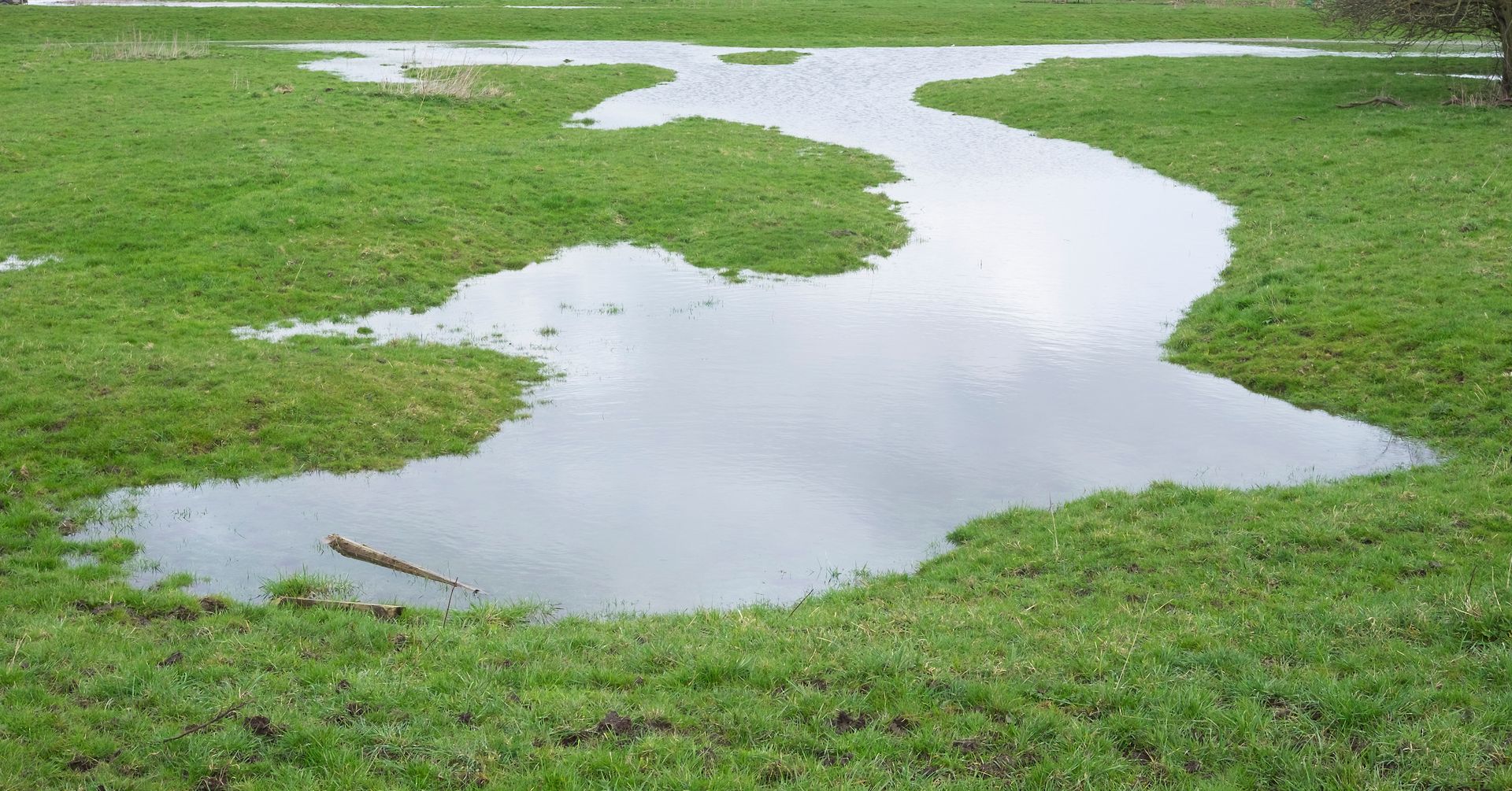
- Ignoring drainage, since a soggy yard kills plants and creates ongoing problems.
Set It Up Right the First Time
The lowest-maintenance yards are the ones built correctly from the start. Good soil prep, proper spacing, clean edges, and working drainage prevent the problems that turn into weekend chores later.
Spending a little more effort or budget on the setup almost always pays back in saved time. It is far easier to maintain a yard that was designed to be easy than to retrofit one that was not.
This is where an experienced eye helps most. A designer can spot the problem areas, a poorly draining corner, a slope that should be terraced, a bed that should be groundcover, before they become recurring headaches, and build the yard so those issues never start.
Ideas for the Connecticut Climate
A low-maintenance idea only works if it survives our winters. Central Connecticut sits in USDA Zone 6, so cold hardiness matters as much as easy care.
Choose Zone 6 Hardy Plants
- Shrubs: boxwood, juniper, and dwarf conifers for year-round structure.
- Perennials: coneflower, black-eyed Susan, daylily, and sedum for repeat color.
- Grasses: switchgrass and little bluestem for texture and winter interest.
Plants rated for our zone fill in and return on their own, while borderline choices need protection or replacement.
Buying from local nurseries helps here, since they tend to stock what actually thrives in central Connecticut rather than tender plants that struggle through our winters. A plant that survives on its own is the definition of low maintenance.
Plan for All Four Seasons
The lowest-maintenance yards look good year-round without seasonal scrambling. Mixing evergreens for winter, spring bulbs, summer perennials, and plants with fall color keeps interest going with no extra work.
A little planning up front, or a plan from our landscape design team, is what separates a yard that stays easy from one that slowly becomes a chore.
Layering bloom times also means you are never staring at a bare yard waiting for the next thing to happen. A well-planned low-maintenance yard rewards you with something to look at in every season while asking for very little in return.
Ready for a Yard That Takes Less Work?
These ideas are a starting point, but the right low-maintenance plan depends on your yard, your soil, and how much time you want to spend outside. At Obee Landscaping LLC, we handle the full process for central Connecticut homeowners, from design and planting through hardscape and ongoing care.
When you are ready,
reach out for a consultation or explore our
landscaping services to see how we build yards that look great with less upkeep. We will help you turn an idea into a yard that fits your schedule.
Frequently Asked Questions
What is the lowest-maintenance landscaping option?
Hardscape like a paver patio or walkway is the lowest-maintenance option, since it never needs watering, mowing, or feeding. Pairing hardscape with native perennials and groundcover in the remaining beds gets you a nearly self-sustaining yard.
What plants need the least maintenance in Connecticut?
Native, Zone 6 hardy plants like coneflower, black-eyed Susan, daylily, sedum, and boxwood need the least care once established. Choosing slow-growing shrubs also cuts down on pruning.
How can I reduce lawn mowing without losing curb appeal?
Shrink the lawn by expanding beds into hard-to-mow areas, replace narrow grass strips with mulch or stone, and keep a clean, simple lawn shape. A smaller, well-defined lawn often looks more intentional than a large one full of obstacles.
Are stone beds lower maintenance than mulch?
Stone lasts longer and does not need yearly refreshing, but it does not feed the soil and can collect debris. Mulch suppresses weeds and improves soil but breaks down and needs topping up, so the best choice depends on the bed.
Does low-maintenance landscaping cost more up front?
Some low-maintenance choices like hardscape and irrigation cost more initially but save time and money over the years. Others, like native perennials and reduced lawn, can actually lower both upfront and ongoing costs.
Request an Estimate
For more information about our services or to schedule an estimate, call us at (860) 490-0852 or complete the form.
Request an Estimate
For more information about our services or to schedule an estimate, call us at (860) 490-0852 or complete the form.
Latest Posts