When Should You Stop Mowing Your Lawn in CT? Rocky Hill
October 27, 2026
In most of Central Connecticut, the last mow of the year falls somewhere between late October and late November, once cool-season grass stops growing. A good rule is to keep mowing as long as the lawn keeps growing, then make one final cut when growth has stalled for a week or more, usually after several frosts and once daytime highs stay in the 40s. Shoreline towns often mow a little later, while the Litchfield Hills and northeastern corner often finish earlier. For that last cut, take the lawn down slightly to about 2.5 to 3 inches, clear leaves off the turf, and avoid mowing frosted or soggy grass.
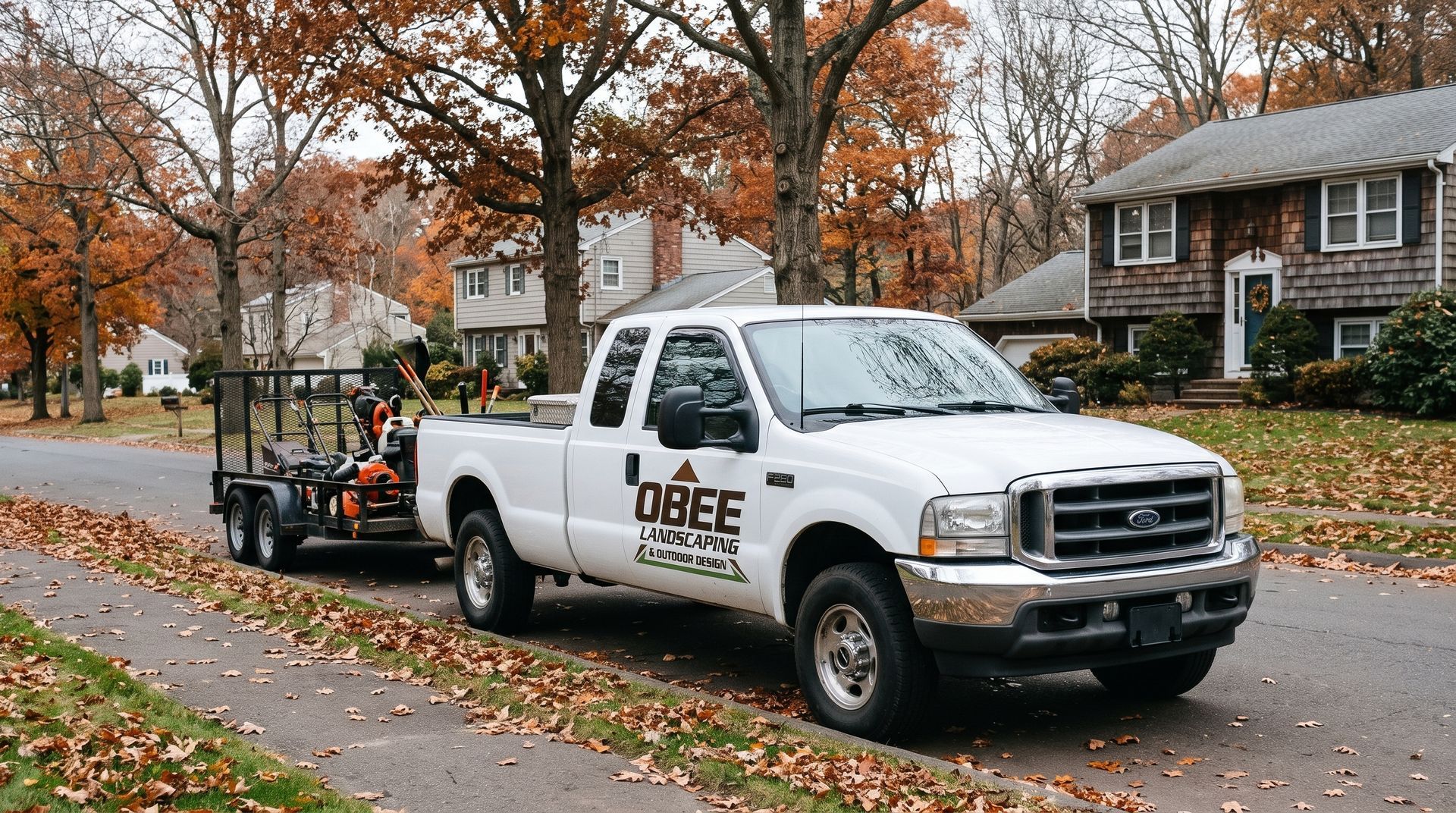
OBEE Landscaping & Outdoor Design is a licensed and insured landscaping company (CT HIC-0650801) based in Rocky Hill, running organized weekly mowing routes within about 30 minutes of our shop in towns like Wethersfield, Newington, Cromwell, Glastonbury, Berlin, Middletown, and Southington. Because our crews follow set routes all season, we make the end-of-season call for lawns across Central Connecticut every fall. This guide explains how we decide when to stop and how to finish the season so your lawn is ready for spring.
In This Guide
- The Short Answer by Region: Shoreline, Hartford area, and hills.
- How to Tell Your Grass Has Stopped Growing: What to watch for.
- Why Temperature Matters More Than the Date: How cool-season grass behaves.
- Lawns With Special Situations: New seed, shade, and wet soil.
- The Right Height for the Final Cut: Not too long, not too short.
- Leaves and the Last Mow: Central Connecticut's leaf load.
- What Happens If You Stop Too Early or Too Late: The trade-offs.
- Finishing the Season: Other Fall Lawn Tasks: Fertilizing, seeding, and cleanup.
- Connecticut Rules to Know: Fertilizer timing.
- Frequently Asked Questions: Quick answers.
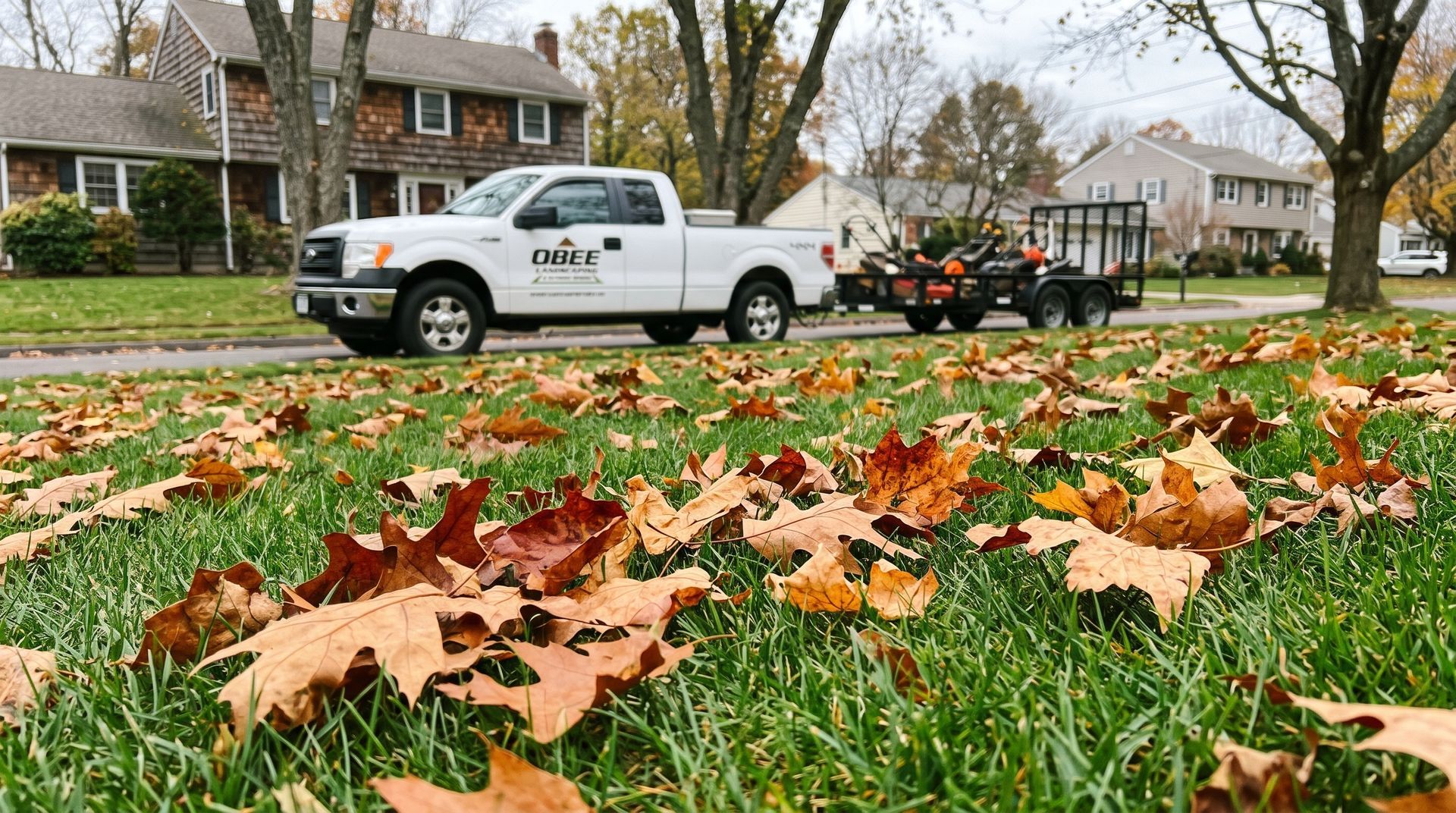
The Short Answer by Region
Connecticut is small, but fall arrives at different times across the state.
| Area of Connecticut | Typical Last Mow | Why It Differs |
|---|---|---|
| Shoreline towns (New Haven, Middlesex, New London Counties) | Mid to late November | Long Island Sound keeps fall temperatures milder |
| Central Connecticut and the Hartford area | Early to mid November | Typical inland frost timing |
| Northwest hills and Litchfield County | Late October to early November | Higher elevation and earlier frosts |
| Northeastern Connecticut | Late October to early November | Cooler nights and earlier frosts |
These are typical windows, not deadlines. A warm November can extend the season, and an early cold snap can end it sooner.
How to Tell Your Grass Has Stopped Growing
The calendar gives you a rough idea, but your lawn tells you for sure.
The Weekly Height Check
Notice how tall the grass is the day after you mow, then check again a week later. A yardstick or a quick photo next to a fence post makes the comparison easy. In peak season, a lawn can grow an inch or more in a week. When you see little or no change over seven to ten days, growth has slowed enough to stop.
The Clippings Test
During active growth, a mow produces plenty of clippings. When a pass across the lawn barely leaves any, the grass is no longer producing much new growth.
Color and Texture
Cool-season grasses often shift from bright green toward a duller, blue-green shade as they slow down. Blades may feel tougher. That is normal and a sign the lawn is preparing for winter.
Frost Patterns
Several frosts in a row, especially hard frosts in the upper 20s, usually push lawns toward dormancy within a week or two. In Central Connecticut, that often happens in late October or early November.
Why Temperature Matters More Than the Date
How Cool-Season Grass Grows
Most Connecticut lawns are a mix of cool-season grasses, mainly Kentucky bluegrass, perennial ryegrass, and fine and tall fescues. These grasses grow strongly in spring and again in early fall, when temperatures are mild.
When Growth Slows
As soil temperatures cool through the 50s and into the 40s, top growth slows sharply. Roots keep growing a bit longer, which is why fall care still matters even after mowing stops.
Soil Temperature vs. Air Temperature
Soil cools more slowly than air. A frosty morning does not stop growth right away if the soil is still in the 50s. That is why lawns often keep growing a week or two after the first frost, and why a stretch of cold nights matters more than a single one.
Why Some Lawns Keep Going
Lawns in full sun, on south-facing slopes, or near warm pavement may keep growing a little longer than shaded lawns. A sheltered yard in Wethersfield can need one more mow than an exposed yard on a hill in Berlin.
Lawns With Special Situations
Not every lawn on the same street finishes at the same time.
Newly Seeded or Sodded Lawns
A lawn seeded in late August or September may still be filling in when established lawns have stopped. Keep mowing new grass as long as it grows, using a sharp blade and a light touch. Wait until seedlings are about a third taller than your target height before the first cut, and avoid turning sharply on soft, new turf.
Lawns Under Oaks and Maples
Shaded lawns grow more slowly and get buried in leaves sooner. They often need fewer late mows but more leaf cleanup. Clearing leaves regularly matters more here than mowing.
Wet or Clay-Heavy Lawns
Many Central Connecticut yards have heavy soils that stay soggy in late fall. Mowing these areas when they are wet leaves ruts and compacts the soil. If you have recurring wet spots, our guide to signs of yard drainage problems explains what may be going on.
Irrigated Lawns
Lawns with sprinklers may keep growing a little longer into fall. Shutting off and winterizing irrigation before a hard freeze also slows growth and protects the system.
The Right Height for the Final Cut
Our Recommendation
For most Central Connecticut lawns, the final mow should leave the grass about 2.5 to 3 inches tall. During summer, we keep lawns taller, usually 3 to 3.5 inches or more, to shade the soil and handle heat. In fall, we lower the deck gradually over the last couple of visits.
Why Not Leave It Long?
Long grass lies down under snow and creates a damp mat. That mat is where snow mold grows, leaving gray or pinkish patches when the snow melts. It also gives voles cover to tunnel through the lawn over the winter.
Why Not Cut It Short?
Scalping a lawn to "get it short for winter" removes the leaf blades the grass needs to store energy and protect its crowns. It can also leave thin spots that weeds fill in come spring. Follow the one-third rule and never take off more than about a third of the blade in a single mow. Our guide on
how often to mow your lawn explains why that rule matters all season.
Leaves and the Last Mow
Central Connecticut's oaks and maples drop a heavy leaf load, often into mid-November. That affects when the last mow happens.
Mulching Light Leaves
When leaves are light enough that you can still see grass after mowing, mulching them into the lawn adds organic matter and saves time.
Removing Heavy Leaves
When leaves pile up, they smother grass and trap moisture. Those areas need cleanup before the final mow, or the lawn can come out of winter with dead patches.
Coordinating the Final Visit
In many years, our final mowing visit doubles as a leaf cleanup, timed after most trees have dropped. Our article on
fall yard cleanup vs. lawn maintenance explains how the two services fit together.
What Happens If You Stop Too Early or Too Late
Stopping Too Early
If you stop in mid-October while the grass is still growing, it can grow long and floppy before winter. That raises the risk of snow mold and vole damage.
Mowing Too Late
Mowing frozen or frosted grass damages the blades and can leave brown tracks. Mowing very wet, soft lawns in late fall can rut the turf and compact the soil.
Finding the Balance
The goal is one clean final cut after growth stops and before the ground freezes or snow arrives. For most of our routes, that window falls in the first half of November.
Finishing the Season: Other Fall Lawn Tasks
Stopping mowing does not mean stopping lawn care. These tasks protect your lawn through winter:
- Clear leaves and debris so nothing sits on the turf under the snow.
- Fertilize in early fall if your lawn needs it, before the state's winter restrictions begin.
- Overseed thin areas in late summer or early fall, when soil is still warm.
- Aerate compacted lawns in early fall to improve root growth.
- Mark driveway and walkway edges with stakes before snow plowing.
- Store hoses and shut off outdoor water before the first hard freeze.
- Winterize your mower with fuel stabilizer, a blade check, and a cleaning.
Spring Starts in the Fall
A lawn that goes into winter clean, healthy, and at the right height greens up faster in spring. Our guide on
when to start spring cleanup in Connecticut explains the other end of the season.
Connecticut Rules to Know
Fertilizer Timing
Connecticut limits lawn fertilizer use in winter and restricts phosphorus in lawn fertilizer except in certain cases, such as new lawns or when a soil test shows a need. Applications are also restricted near water. If you plan a fall feeding, do it in early fall, follow the label, and check current state rules.
Leaf Disposal
Many Connecticut towns offer seasonal leaf collection with specific rules on bags, curb placement, and dates. Check with your town before raking leaves to the street.
Lawn Mowing in Late Fall: Safety and Equipment Tips
Late-season mowing comes with a few extra considerations. Wet leaves are slippery, so mow when the lawn is dry and wear shoes with good traction on slopes. Sharp blades cut cleanly and reduce stress on cold grass. Avoid mowing on frozen ground, which damages turf and can be rough on equipment. Once the season ends, clean the deck, drain or stabilize fuel, and store the mower in a dry place. Getting equipment ready in November saves a frustrating first mow in April.
How We Plan the Final Visits on Our Routes
On our weekly routes, we start watching growth closely in mid-October. As lawns slow down, we gradually lower the mowing height and may space visits further apart when growth stalls. The final visit is scheduled once most trees have dropped their leaves, so we can mulch or remove the last layer and leave each lawn clean and at the right height. Properties in warmer spots, such as sunny, sheltered yards, may get one extra visit, while shaded or hillside lawns often finish first. Customers know what to expect because we communicate the end of the season ahead of time.
Let OBEE Handle the End of the Season
If you would rather not track frost dates and leaf drop, our weekly mowing service handles the seasonal timing for you, adjusting height through fall and finishing with a clean final cut. Learn more about our lawn mowing and maintenance, see the towns we cover in our service area, or read what homeowners say in our reviews.
Call OBEE Landscaping & Outdoor Design at (860) 689-1318 or
contact us. We are located at 148 Dividend Road in Rocky Hill and serve homeowners across Central Connecticut.
Frequently Asked Questions
What month do you stop mowing in Connecticut?
Most Central Connecticut lawns get their last mow in early to mid November. Shoreline lawns often go a bit later, while northwest and northeast Connecticut often finish in late October or early November.
What temperature does grass stop growing?
Cool-season grasses slow sharply as soil temperatures fall through the 50s and into the 40s. Once daytime highs stay in the 40s and frosts are regular, top growth nearly stops.
How short should the last mow of the year be?
About 2.5 to 3 inches works well for most Connecticut lawns. That is a little shorter than summer height but not short enough to scalp or stress the grass.
Should I mow leaves on the last mow?
If the leaf layer is light, mulching leaves into the lawn is fine. If leaves are heavy or matted, remove them first so they do not smother the grass over winter.
Is it bad to mow wet or frosted grass in the fall?
Yes. Frosted grass breaks easily and leaves brown tracks, and wet, soft lawns can rut and compact. Wait for frost to melt and the lawn to dry.
Request an Estimate
For more information about our services or to schedule an estimate, call us at (860) 490-0852 or complete the form.
Request an Estimate
For more information about our services or to schedule an estimate, call us at (860) 490-0852 or complete the form.
Latest Posts