How Often Should You Mow Your Lawn in Peak Growing Season?
May 11, 2026
After years of caring for lawns across the region, our team has mowed just about every type of grass in every kind of weather. We've worked on properties that needed two cuts a week to stay clean, and others that did fine with a more flexible schedule. That hands-on experience is the reason we put this guide together. If you want a quick answer, most healthy lawns need to be mowed about once a week during peak growing season, sometimes more. The longer answer depends on your grass type, weather, and how fast your lawn is actually growing.
Below is a clear breakdown of how often you should mow during peak growing season and the simple rules that keep your lawn healthy all summer.
Quick Look: Mowing Frequency at a Glance
| Season | Typical Frequency | What's Happening to Your Lawn |
|---|---|---|
| Early Spring | Every 10 to 14 days | Growth is starting but still slow |
| Late Spring | Once a week | Grass is in full growth mode |
| Peak Summer | Once a week, sometimes twice | Fastest growth of the year, especially with rain |
| Late Summer | Once a week | Growth slows slightly with heat stress |
| Fall | Every 10 to 14 days | Growth tapers off before dormancy |
| Winter | Rarely or not at all | Lawn is dormant and not actively growing |
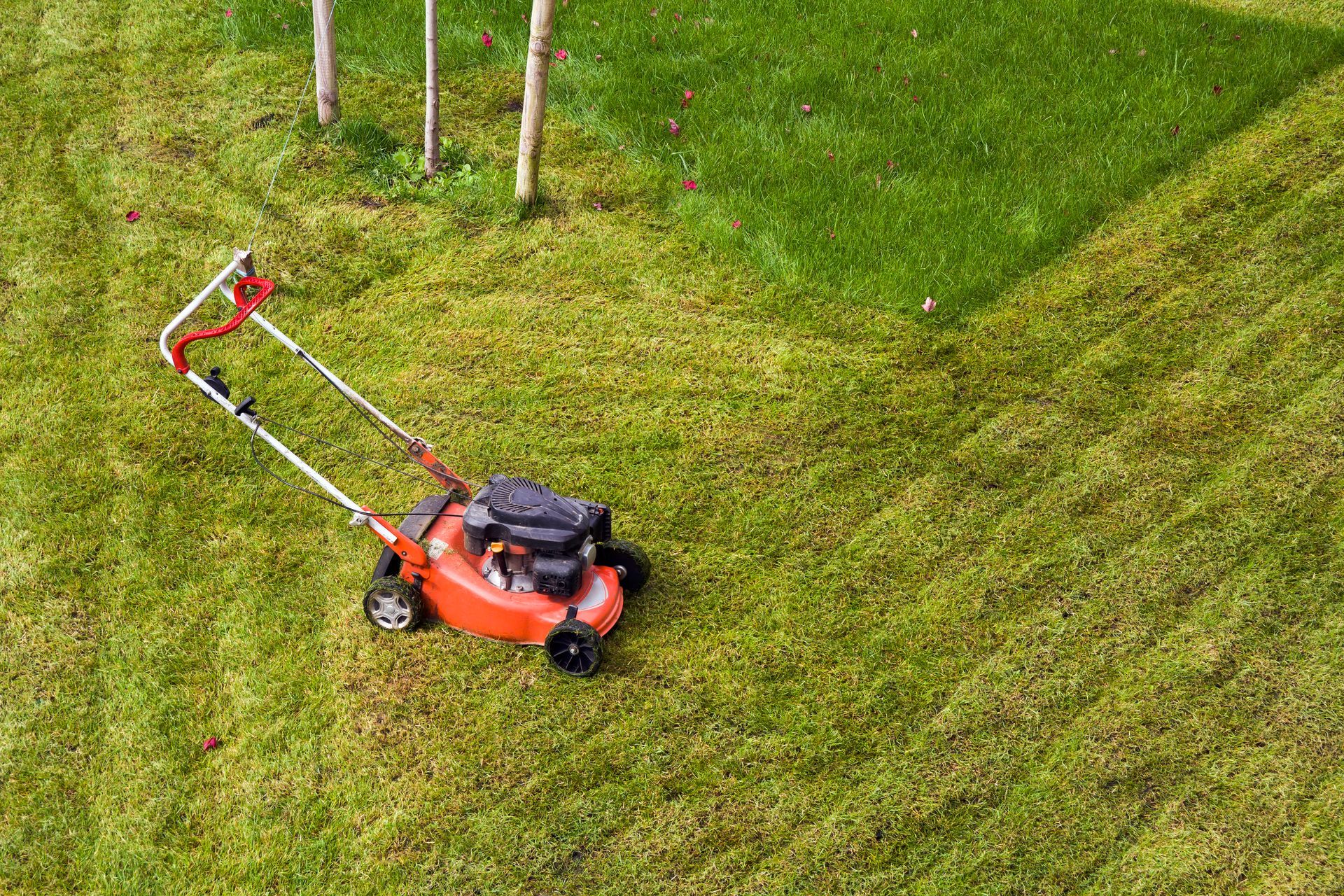
Why Mowing Frequency Matters for a Healthy Lawn
How often you mow has a bigger impact on your lawn than most homeowners realize. Mowing on the right schedule keeps the grass strong, helps it crowd out weeds, and protects the roots from stress. Mowing too rarely, or cutting too much at once, does the opposite.
How Regular Mowing Supports Thicker Grass
Grass responds to consistent cutting by sending out more shoots from the base. Over time, this creates a thicker, fuller lawn that looks healthier and feels better underfoot. Regular mowing also encourages deeper roots, which helps the lawn handle heat and dry weather. A lawn that is mowed on a steady schedule almost always looks better than one that is cut only when it gets out of control.
What Happens When You Wait Too Long Between Cuts
When grass gets too long, every part of the lawn suffers. Mowing tall grass forces you to cut off too much at once, which shocks the plant and turns the tips brown. Heavy clippings smother the grass underneath, blocking sunlight and trapping moisture. The lawn ends up uneven, weaker, and more open to weeds and lawn diseases.
How Often Should You Mow During Peak Growing Season?
In peak growing season, most lawns do best with one cut per week. Some lawns need more, and very few need less. The right frequency depends on how fast the grass is actually growing, not the calendar.
Why Weekly Mowing Is Usually the Best Starting Point
Weekly mowing works for most lawns because it lines up with the natural growth rate of cool-season grasses during spring and early summer. It also keeps you within the one-third rule, which we'll cover below. A steady weekly schedule is easier to plan around, easier on the lawn, and easier on your mower.
When Your Lawn May Need Mowing More Than Once Per Week
In late spring and early summer, especially after heavy rain, grass can grow several inches in just a few days. If your lawn looks shaggy by day five or six, you may need a second cut that week to keep up. Lawns that are well-fertilized, well-watered, or sit in full sun usually grow faster than average and may need extra mowing during the busiest weeks.
When Biweekly Mowing May Not Be Enough
Biweekly mowing is tempting because it cuts your yard work in half, but it rarely works during peak growing season. Two weeks is enough time for grass to grow well past the safe cutting height, which means you end up violating the one-third rule every time you mow. The result is a lawn that looks rough, recovers slowly, and develops bare spots over time.
The One-Third Rule for Lawn Mowing
The one-third rule is the most important guideline in lawn care: never cut off more than one-third of the grass blade in a single mow. If your lawn is three inches tall, the most you should remove is one inch. This single rule does more for lawn health than almost anything else.
Why You Should Never Cut Too Much at Once
Grass stores energy in its blades. When you cut too much at once, you remove that stored energy, stress the roots, and slow down recovery. The lawn turns pale or yellow, growth stalls, and weeds get a chance to move in. Repeated overcutting can permanently weaken a lawn.
How to Know When Your Grass Is Ready to Be Mowed
Use the height of the grass to decide when to mow, not the day on the calendar. If your lawn is sitting around four to four-and-a-half inches and you usually keep it at three, it is time to cut. Walking across the lawn is another simple check. If your shoes get noticeably wet from brushing tall blades, the grass is ready.
Example Mowing Heights for a Healthy Cut
Most cool-season lawns do best when kept between 3 and 4 inches. Here are common targets to plan around:
- Kentucky bluegrass: 2.5 to 3.5 inches
- Tall fescue: 3 to 4 inches
- Perennial ryegrass: 2.5 to 3.5 inches
- Fine fescue: 2.5 to 3 inches
Set your mower so the cut height matches the upper end of your range during peak heat. Taller grass shades the soil, holds moisture, and protects the roots.
What Affects How Fast Your Grass Grows?
Two lawns on the same street can need very different mowing schedules. Growth rate depends on a mix of factors that change throughout the season.
Grass Type and Growth Rate
Cool-season grasses like fescue and bluegrass grow fastest in spring and fall. Warm-season grasses like Bermuda and zoysia grow fastest in summer heat. Knowing which type you have is the first step in setting the right schedule.
Rainfall, Heat, and Seasonal Weather
Steady rain plus warm temperatures is the perfect combination for fast growth. After a wet, warm week, even a normally slow lawn may need a second cut. During heat waves and dry spells, growth slows down and you can stretch the schedule slightly.
Fertilization and Watering Schedule
Lawns that are fertilized regularly grow faster and thicker, which means more frequent mowing. The same goes for irrigated lawns. If you water deeply two or three times a week, expect a noticeably faster growth rate than a lawn that relies only on rainfall.
Sun Exposure and Soil Conditions
Sunny areas grow faster than shaded ones. Lawns with rich, healthy soil also grow faster than lawns with compacted or poor soil. This is why one part of your yard may need mowing while another part still looks fine. Healthy soil and good lawn care and maintenance are the foundation of even, predictable growth.
Signs Your Lawn Needs to Be Mowed Sooner
If you are not sure whether it is time to mow, your lawn will usually tell you.
Grass Looks Uneven or Overgrown
When the lawn starts to look shaggy or you can see lighter and darker patches based on grass height, it is time to mow. Even, consistent height is one of the clearest signs of a healthy, well-maintained lawn.
Clippings Are Too Heavy After Mowing
If you mow and the clippings sit on top of the lawn in thick clumps, you waited too long. Healthy clippings should fall between the blades and break down quickly. Heavy clumps smother the grass and need to be raked or bagged.
Weeds and Pests Start Becoming More Noticeable
Tall grass shades the soil in a way that helps weeds get started. It also gives pests like ticks and mosquitoes more places to hide. If you start noticing more weeds or bugs than usual, your mowing schedule may need to tighten up.
Common Lawn Mowing Mistakes to Avoid
A few common mistakes can undo a lot of hard work in the yard. Here are the ones we see most often:
- Cutting the grass too short
- Mowing wet grass
- Using dull mower blades
- Mowing in the same pattern every time
Each one is easy to fix once you know what to look for.
Cutting the Grass Too Short
Cutting too short, sometimes called scalping, is the most common mowing mistake. Short grass has shallow roots, dries out faster, and is much more open to weeds. Keeping your grass at a healthy height protects it from heat, drought, and weed pressure all season long.
Mowing Wet Grass
Wet grass clumps, clogs the mower, and tears instead of cutting cleanly. Torn blades turn brown at the tips and are more likely to develop disease. Wait until the lawn is dry, even if that means mowing later in the day.
Using Dull Mower Blades
Dull blades shred grass instead of slicing it. The result is a lawn that looks ragged a day or two after mowing and is more vulnerable to lawn diseases. Sharpen mower blades at least once or twice per season, and more often if you have a large yard.
Following the Same Mowing Pattern Every Time
Mowing in the same direction every week presses the grass down the same way and creates ruts in the soil from your mower wheels. Switching directions each cut helps the grass stand up straighter and reduces wear on the lawn.
Best Practices for Mowing During Peak Growing Season
A few simple habits can take your lawn from average to great during the busiest mowing months.
Keep Mower Blades Sharp
A clean cut helps the lawn recover faster and look better between mows. If you notice the grass tips turning whitish or brown shortly after mowing, your blades likely need sharpening.
Adjust Your Mower Height Based on Weather
Raise the cutting height during heat waves and dry spells. Taller grass shades the soil, holds moisture, and protects the roots. When weather is mild and growth is steady, you can lower the height a little to your normal setting.
Alternate Mowing Patterns
Mow north to south one week, east to west the next. This helps the grass grow upright and reduces wear in any one direction.
Leave Short Grass Clippings When Appropriate
Short clippings that fall back into the lawn are sometimes called grasscycling. They break down quickly and return nitrogen to the soil, which acts as a free, gentle fertilizer. Just make sure clippings are short enough that they fall between the blades instead of sitting on top.
Should You Mow Weekly or Biweekly?
This is one of the most common questions homeowners ask, and the honest answer is that weekly almost always wins during peak growing season.
When Weekly Lawn Mowing Makes Sense
Weekly mowing keeps you within the one-third rule, gives you a more even cut, and helps the lawn stay thick and healthy. It is also easier to plan around because you know exactly when the lawn will be cut each week. For most homeowners, this is the simplest and most effective schedule.
When a Flexible Schedule Works Better
Some lawns, especially shaded ones or yards with slower-growing grass types, can stretch to every 10 to 12 days during cooler weeks. The key is to watch the height of the grass, not the calendar.
Why Growth Rate Matters More Than the Calendar
Two lawns on the same block can grow at very different rates depending on sun, soil, and water. Letting the height of the grass decide your schedule will always give you better results than sticking to a fixed day. Some weeks you will mow on Friday, others on Wednesday, and that is normal during peak growing season.
When to Hire a Professional Lawn Mowing Service
Keeping up with peak season growth takes time, the right equipment, and a consistent schedule. A professional service makes that easier.
Keeping Up With Fast Spring and Summer Growth
When the lawn is growing inches per week, missing a single mow can throw off the rest of the season. A professional crew shows up on schedule, even during the busiest weeks, and adjusts the timing when weather or growth changes.
Getting a Consistent Cut Without Guesswork
Professional mowers use sharp blades, the right cutting heights for your grass type, and proper mowing patterns. The result is an even cut, healthier grass, and a lawn that holds up better through summer stress. If your schedule is full or your lawn is large, hiring a pro is often the easiest way to keep things on track. You can contact our team to set up a regular mowing schedule that fits your property.
Keep Your Lawn Healthy With the Right Mowing Schedule
The right mowing schedule does more than keep the yard looking neat. It strengthens the grass, protects the roots, and helps the lawn handle the stress of peak growing season.
Match Your Lawn Care Routine to the Growing Season
Adjust your schedule as the year goes on. Mow more often in spring and early summer, watch the height closely during heat waves, and slow down in fall as growth tapers. A flexible, height-based approach almost always beats a rigid calendar.
Schedule Regular Lawn Mowing for a Cleaner, Healthier Yard
If you want a lawn that looks great all summer without the guesswork, a steady weekly mowing schedule is the easiest path. Whether you handle it yourself or bring in a professional, consistency is what turns an average lawn into a great one.
Frequently Asked Questions
How often should I mow my lawn in peak growing season?
Most lawns need to be mowed once a week during peak growing season. After heavy rain or in fast-growing weeks, you may need to mow twice. Always let the height of the grass guide the schedule, not the calendar.
What is the one-third rule and why does it matter?
The one-third rule means you should never cut off more than one-third of the grass blade in a single mow. Following this rule protects the roots, keeps the lawn thicker, and helps grass crowd out weeds. Breaking it regularly is one of the fastest ways to weaken a lawn.
Is it better to mow weekly or every two weeks?
Weekly mowing is almost always better during peak growing season. Two weeks is usually too long between cuts, which forces you to remove too much grass at once and stresses the lawn. Biweekly schedules tend to work only in cooler months when growth slows down.
What is the best height to keep my grass during summer?
Most cool-season lawns do best between 3 and 4 inches during the summer. Taller grass shades the soil, holds moisture, and protects the roots from heat stress. Cutting too short during summer is one of the most common reasons lawns turn brown.
Should I leave grass clippings on the lawn after mowing?
Yes, as long as the clippings are short. Short clippings break down quickly and return nitrogen to the soil, which feeds the lawn naturally. If clippings are long and clumpy, they can smother the grass and should be raked or bagged.
Request an Estimate
For more information about our services or to schedule an estimate, call us at (860) 490-0852 or complete the form.
Request an Estimate
For more information about our services or to schedule an estimate, call us at (860) 490-0852 or complete the form.
Latest Posts