Spring Mulch vs. Stone Beds: Which Is Better for Your Landscape?
April 24, 2026
At Obee Landscaping, we've installed and maintained landscape beds across Connecticut for years. We've worked with every type of property, from small residential gardens to large commercial grounds, and we've seen firsthand how the right bed material can transform a landscape. We also know how the wrong choice can create years of frustration. This guide draws on that experience to help you make a confident, informed decision before spring installation begins.
Quick Answer: Should You Choose Mulch or Stone?
If you want to support plant health, improve your soil, and keep upfront costs low, mulch is the better choice. If you want a long-lasting, low-maintenance solution for high-visibility or low-planting areas, stone beds are worth the higher initial investment. Most properties benefit from both, used strategically in different zones.
What Is Mulch?
Mulch is any material spread over the surface of soil in a landscape bed. In residential and commercial landscaping, it's most commonly made from shredded wood or bark. It serves several functions at once: it insulates the soil, retains moisture, suppresses weeds, and over time breaks down to improve soil quality.
Types of Mulch Used in Landscaping
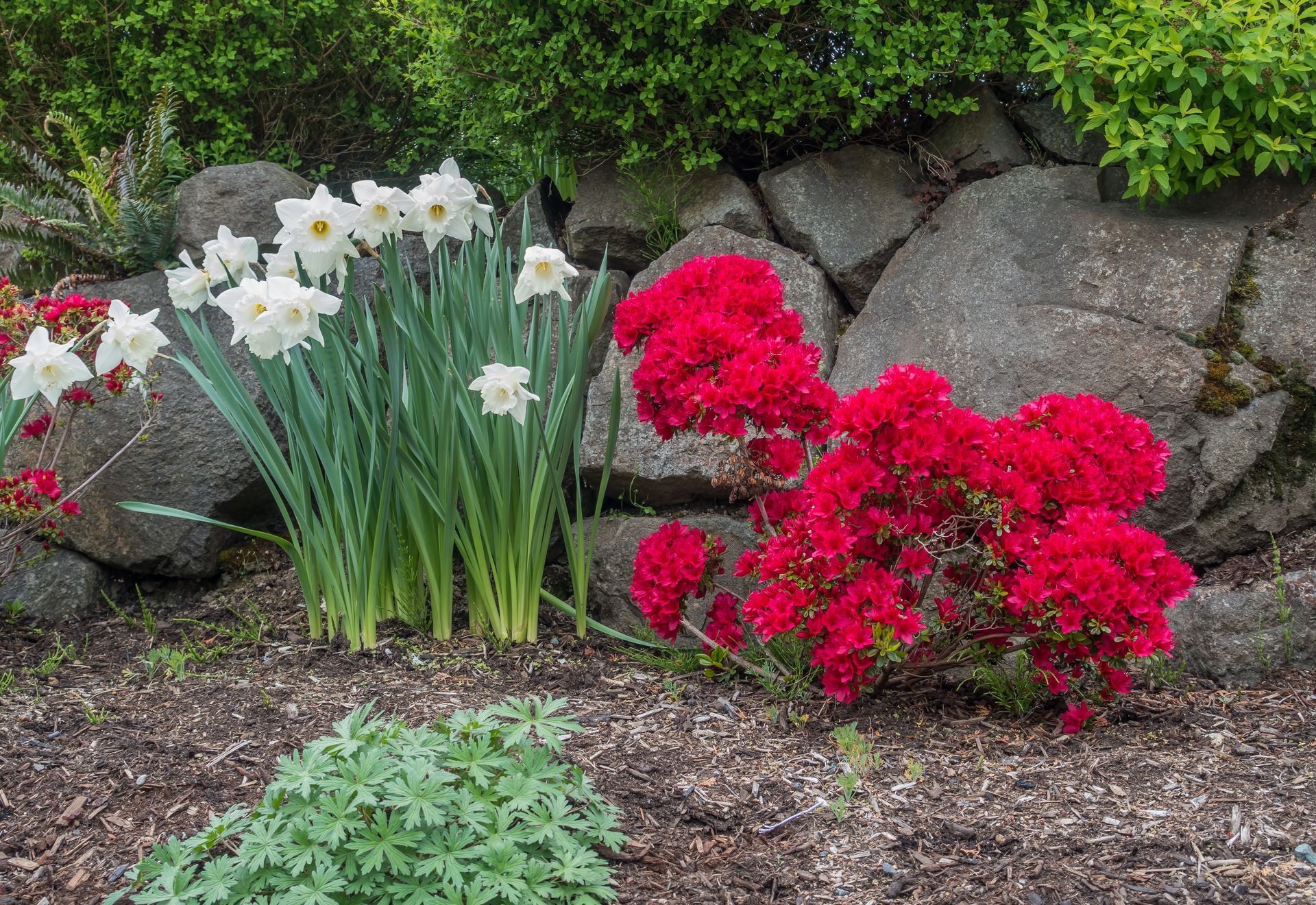
The two main categories are organic and dyed mulch. Organic mulch includes shredded hardwood, bark mulch, cedar, and pine. These break down naturally over time and add nutrients back into the soil as they decompose. They're the most common choice for plant beds and garden areas.
Dyed mulch, sometimes called colored mulch, is typically made from recycled wood that has been processed and dyed black, red, or brown. It holds its color longer than natural mulch, which makes it popular for high-visibility areas where appearance is a priority. The dye used in quality products is generally safe for plants and soil.
How Mulch Impacts Your Landscape
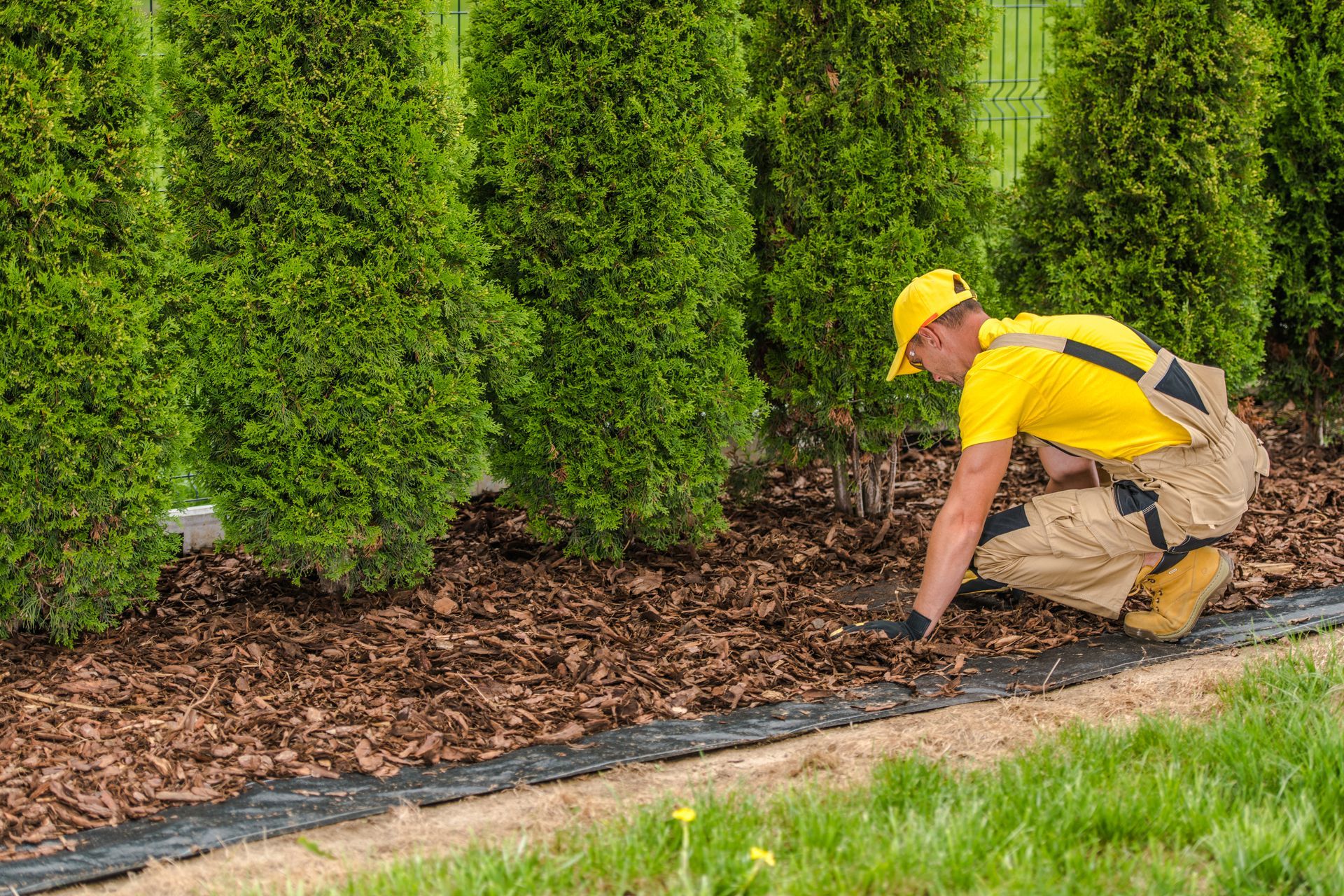
Mulch does more than just look good. A 2 to 3 inch layer of organic mulch slows water evaporation from the soil, which means plants need less frequent watering during dry stretches. It also moderates soil temperature, keeping roots cooler in summer and warmer in fall. As it breaks down, it adds organic matter to the soil, which improves structure and supports healthy root development. For properties with active planting areas, mulch is genuinely beneficial to the plants themselves, not just the appearance of the beds.
What Are Stone Beds?
Stone beds use decorative rock or gravel as the primary ground cover in a landscape bed. Unlike mulch, stone is inorganic and does not break down over time. This gives it a distinct set of advantages and tradeoffs compared to organic materials.
Types of Stone Used in Landscape Beds
River rock is one of the most popular choices. It's smooth, naturally rounded, and comes in a range of sizes and colors. It works well in wide open beds and along drainage channels.
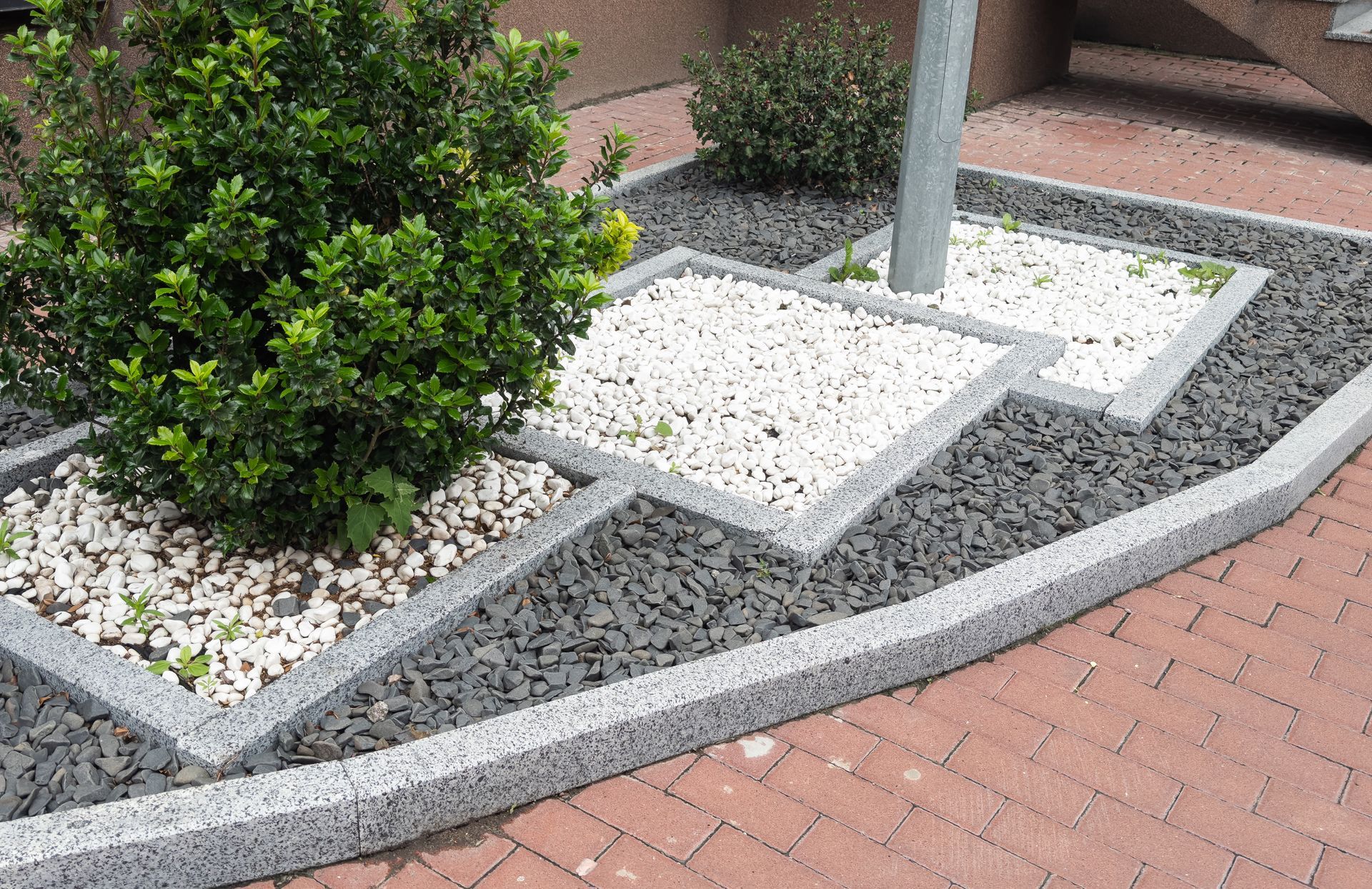
Crushed stone and pea gravel are finer options often used in tighter spaces or as a base layer under larger rock. Decorative gravel comes in a wide range of colors, from natural earth tones to more dramatic charcoal or white options, and is commonly used in modern or contemporary landscape designs.
How Stone Beds Function
Stone doesn't retain moisture the way mulch does, which actually makes it a good choice in areas where drainage is important. It doesn't compact over time, it doesn't blow away in wind, and it doesn't need to be replenished each year. Stone beds are typically installed over landscape fabric to prevent weeds from pushing through, and when done correctly, they can remain largely maintenance-free for many years.
Pros and Cons of Mulch
Advantages of Mulch
Mulch improves soil quality over time. As organic mulch breaks down, it adds nutrients and organic matter to the soil beneath it, which benefits the long-term health of your plants and lawn edges.
It helps retain moisture. A proper layer of mulch can reduce how often you need to water your beds, which matters during Connecticut's drier summer stretches.
It comes with a lower upfront investment. Mulch is significantly less expensive than stone per square foot, which makes it a practical choice for large bed areas or properties on a tighter budget.
It's easier to install and refresh. Spreading mulch is straightforward, and annual top-dressing takes less time and labor than reworking a stone bed.
Disadvantages of Mulch
Mulch requires annual replenishment. Because it breaks down, most beds need a fresh layer every one to two years to maintain the right depth and appearance.
It can fade over time. Natural mulch fades from its original color as it weathers, especially in direct sun. Dyed mulch holds color longer but still fades eventually.
It may attract weeds if not maintained. Mulch does suppress weeds, but if the layer gets too thin or if weed seeds blow in from elsewhere, they can germinate in the mulch itself. Staying on top of depth and pulling weeds early prevents this from becoming a bigger problem.
Pros and Cons of Stone Beds
Advantages of Stone
Stone is a long-lasting solution. Unlike mulch, it doesn't decompose. A well-installed stone bed can look sharp and hold its structure for ten or more years with minimal intervention.
It requires lower ongoing maintenance. Once installed over proper landscape fabric, stone beds don't need annual refreshing. They won't blow away, wash away, or fade the way mulch does.
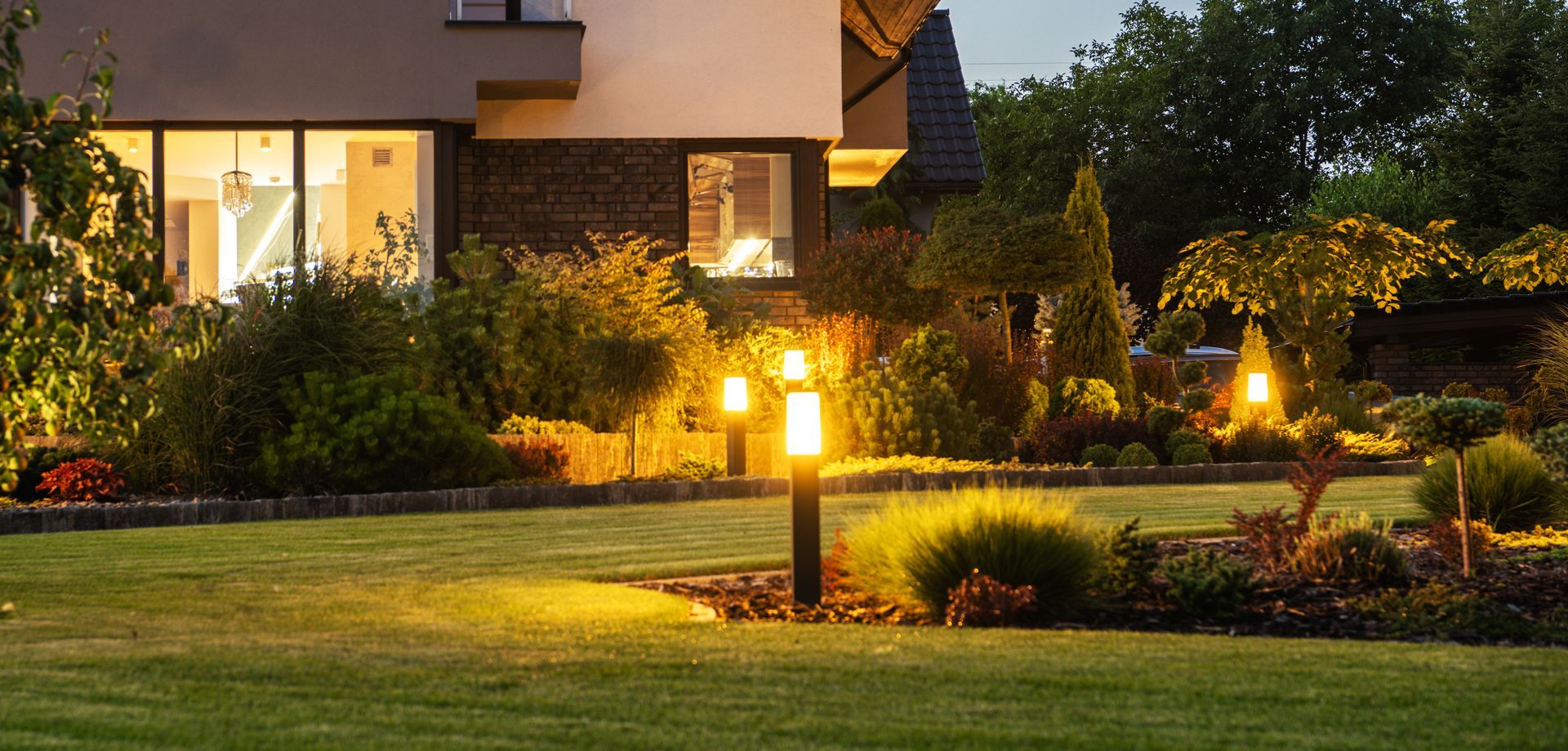
Stone gives beds a clean, modern appearance. The crisp, structured look of stone beds is a strong fit for contemporary home styles, foundation plantings, and commercial properties where a polished, low-clutter look is the goal.
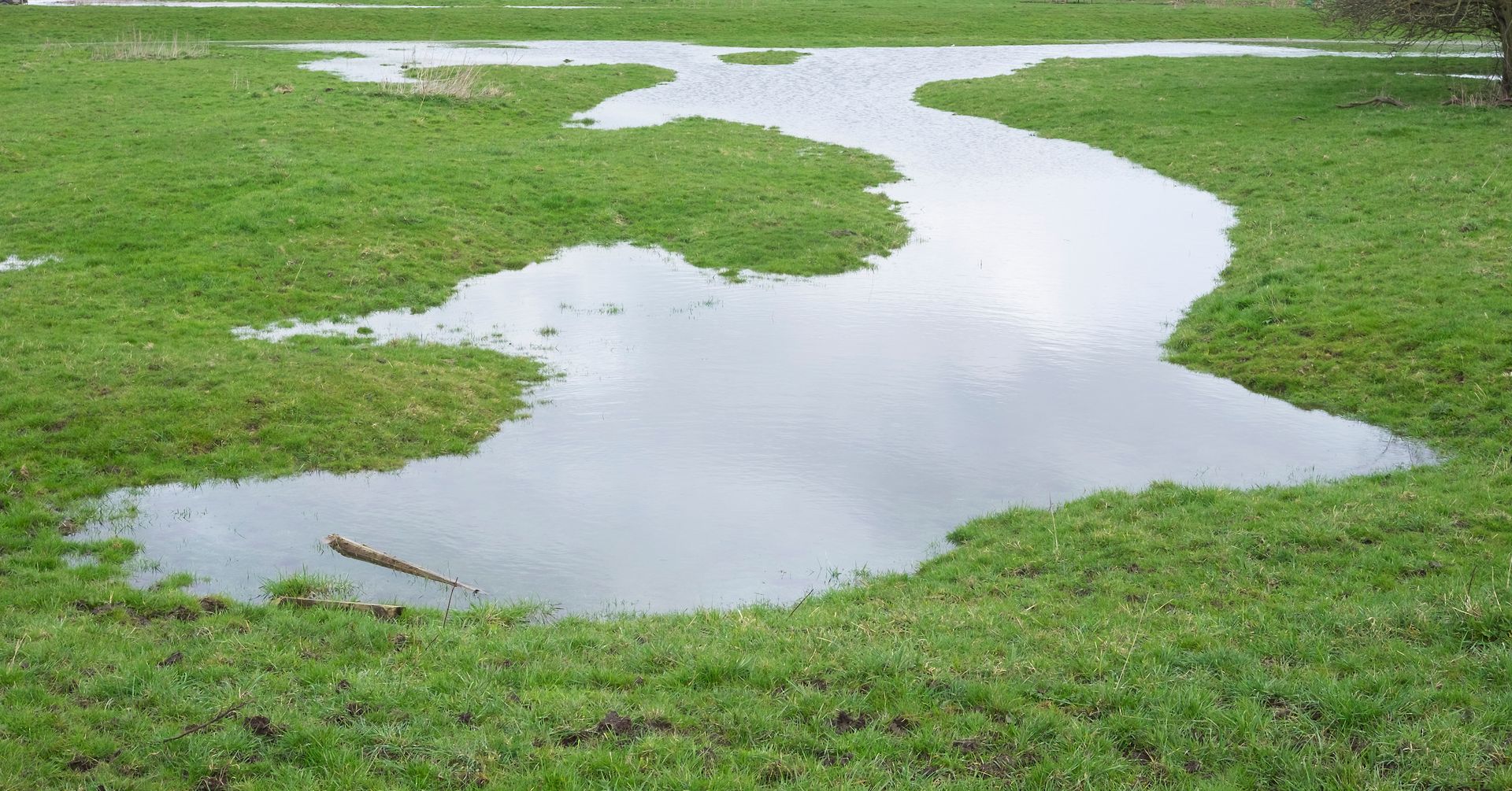
It performs well in drainage areas. Stone allows water to move through and around it freely, making it an excellent choice for low spots, areas along downspouts, or anywhere standing water is a concern.
Disadvantages of Stone
Stone comes with a higher initial cost. Materials and installation for stone beds run significantly higher than mulch, and that cost increases with the size of the area.
It can trap heat around plants. Dark stone in particular absorbs heat from the sun and can raise soil temperatures in summer, which stresses some plants. This is worth factoring in if you're planning stone beds around plantings that don't tolerate heat well.
It requires proper base and landscape fabric. Stone installed without a quality fabric layer underneath will see weeds push through within a season or two. Cutting corners on installation leads to a much harder maintenance situation later.
It's harder to remove or change later. If you decide you want to switch materials or redesign a bed, removing stone is significantly more labor-intensive than refreshing or replacing mulch.
Mulch vs. Stone Beds: Side-by-Side Comparison
Cost (Upfront vs. Long-Term)
Mulch wins on upfront cost by a wide margin. Stone costs more to install initially but eliminates the recurring expense of annual replenishment. Over a five to ten year period, the costs can level out depending on the size of the beds and how consistently mulch is refreshed.
Maintenance Requirements
Stone requires far less ongoing maintenance once installed correctly. Mulch needs to be topped off every one to two years and may require occasional weed pulling if the layer thins out.
Weed Control Effectiveness
Both materials suppress weeds when installed properly. Mulch at the right depth, around 2 to 3 inches, is effective but requires consistent upkeep to stay that way. Stone over quality landscape fabric is highly effective and more durable long-term, though no system is completely weed-proof.
Drainage and Water Management
Stone is the clear winner here. It allows water to pass through freely and is the right choice for areas with drainage challenges. Mulch retains moisture, which is great for plant health but not ideal in areas that already stay wet.
Impact on Soil and Plants
Mulch wins for plant health. The organic matter it adds to the soil over time is genuinely beneficial for root development, microbial activity, and overall soil structure. Stone is inert and doesn't improve or harm soil on its own, but it also doesn't add the heat and drainage concerns that make it a poor fit for certain planting zones.
Appearance and Design Flexibility
Mulch offers a natural, traditional look that works well in most landscape styles. Stone offers a cleaner, more structured appearance and a wider range of visual options. Mulch is easier to change if you want to update the look of your beds. Stone is more of a long-term commitment aesthetically.
Best Use Cases for Each Material
When Mulch Is the Better Choice
Mulch is the right call for active plant beds and garden areas where soil health matters. It's also the better option for properties that get refreshed seasonally, beds surrounding trees and shrubs that benefit from consistent moisture retention, and anywhere you want a natural, warm appearance without a significant upfront investment.
If you're working with a landscaping design that involves a lot of plantings, mulch supports those plants in a way stone simply can't.
When Stone Beds Make More Sense
Stone is the better choice for foundation beds along the front of a home where low maintenance and clean lines are the priority. It's also ideal for drainage zones, areas along downspouts or slopes, commercial properties that need to look sharp with minimal upkeep, and any area where you want a one-time installation that doesn't need annual attention.
Can You Use Both Mulch and Stone Together?
Yes, and for many Connecticut properties, using both is the smartest approach. The key is dividing your landscape into functional zones and matching the material to the purpose of each area.
Active plant beds with shrubs, perennials, and garden plantings are usually best served by mulch. Foundation beds along the front of the house or high-visibility areas that don't change much from year to year are strong candidates for stone.
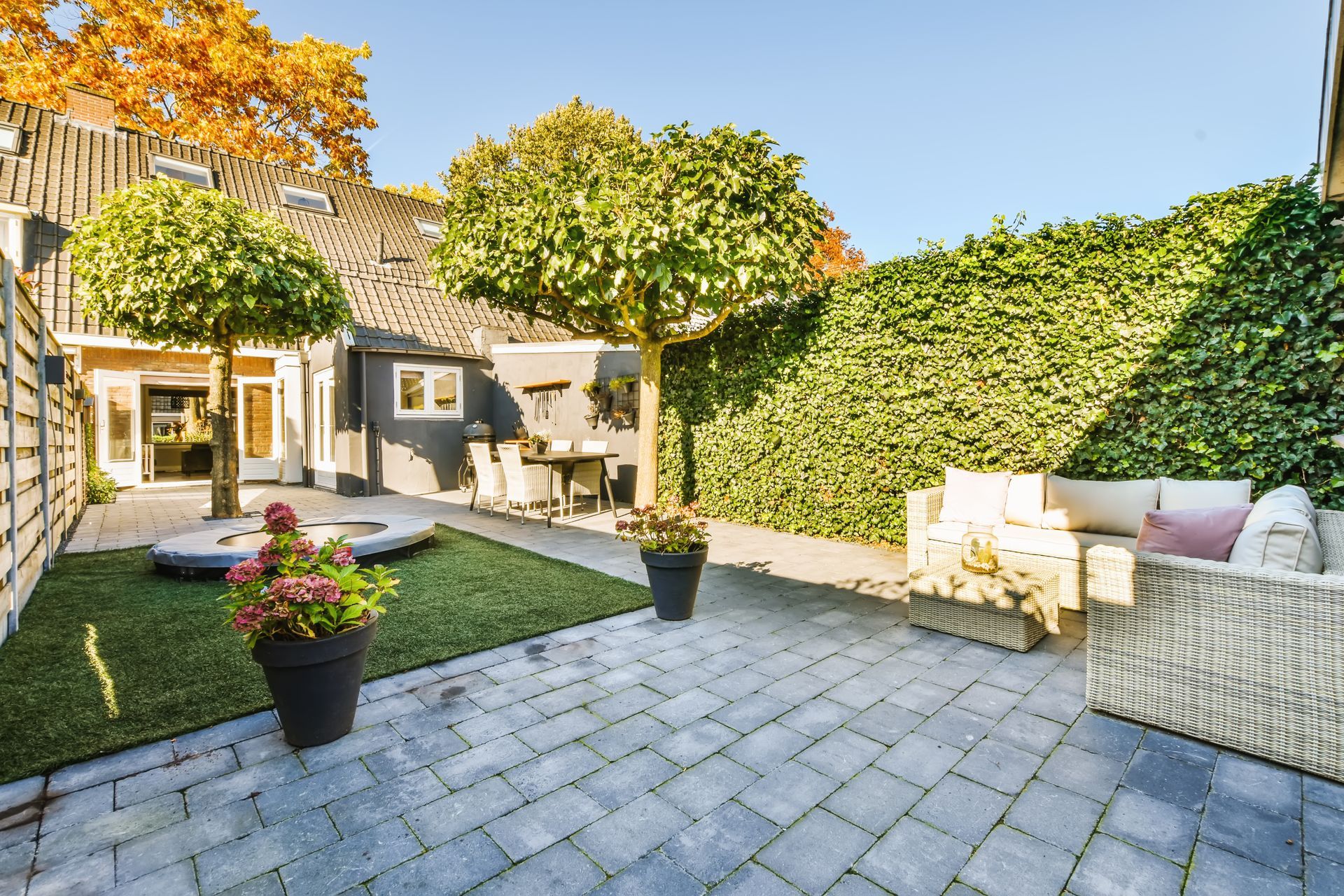
From a design standpoint, the contrast between stone and mulch zones can actually add visual interest to a landscape when done thoughtfully. Using edging to create clean transitions between materials keeps everything looking intentional rather than piecemeal.
If you're not sure how to divide your property, our landscaping team can help you map out a plan that makes sense for your goals and your budget.
Factors to Consider Before Choosing
Budget and long-term investment. If upfront cost is the main constraint, mulch gives you the most coverage for the least money. If you're thinking five to ten years ahead and want to reduce recurring costs, stone is worth the higher initial investment in the right areas.
Maintenance expectations. Be realistic about how much time and attention you want to give your beds each year. If the answer is as little as possible, stone is a better fit. If you enjoy refreshing your landscape each spring, mulch is easy to work with.
Type of plants and landscape goals. Active planting areas with shrubs, perennials, and flowers benefit from mulch. Sparse or structural plantings where appearance and durability matter more than soil nutrition are well-suited to stone.
Climate and seasonal conditions. Connecticut winters are hard on landscapes. Mulch helps insulate plant roots through freeze-thaw cycles. Stone doesn't offer the same insulation, which is worth considering for beds with sensitive plantings.
Final Thoughts: Choosing the Right Landscape Bed Material for Spring
There's no single right answer between mulch and stone. The better choice depends on where the bed is, what's planted in it, how much maintenance you want to take on, and what you want the finished landscape to look like.
For most Connecticut homeowners, a combination of both materials gives you the best of each approach: mulch where plant health and flexibility matter, stone where longevity and low maintenance are the priority.
Spring is the best time to make this decision and get installation done before the growing season is in full swing. Our service area covers communities across central Connecticut, and we're ready to help you get your beds looking their best.
Ready to Update Your Landscape Beds This Spring?
Whether you're leaning toward mulch, stone, or a mix of both, the right installation makes all the difference in how your property looks and how easy it is to maintain going forward.
Obee Landscaping has the experience to help you choose the right material for every zone of your landscape and install it correctly the first time. Contact us today to get a quote and get your beds ready for the season.
Frequently Asked Questions
How long does mulch last before it needs to be replaced?
Most organic mulch needs to be topped off every one to two years. It breaks down faster in areas with heavy rainfall, direct sun, or high foot traffic. Rather than doing a full replacement each time, most homeowners add a fresh layer on top to bring it back to the right depth of 2 to 3 inches. A complete removal and refresh is usually only necessary if the old mulch has become compacted, moldy, or is harboring pests.
Does landscape fabric actually work under stone beds?
Yes, when it's installed correctly and the right fabric is used. A quality woven landscape fabric, not the thin plastic sheeting sold at big box stores, does an effective job of blocking weeds while still allowing water to drain through. The key is overlapping the seams properly and pinning the edges so it doesn't shift during installation. Stone beds installed without any fabric underneath almost always develop weed problems within a season or two.
Will stone beds damage my plants?
Not necessarily, but the wrong stone in the wrong spot can cause problems. Dark-colored stone absorbs heat from the sun and can raise soil temperatures around plant roots during hot summers, which stresses heat-sensitive plants. Stone also doesn't add any organic matter to the soil over time, so plants in stone beds rely entirely on fertilization for nutrition. For most ornamental shrubs and drought-tolerant plants, stone beds work fine. For vegetable gardens, perennials, and moisture-loving plants, mulch is a much better fit.
What's the average cost difference between mulch and stone installation?
Mulch is generally two to four times less expensive per square foot than stone when comparing materials alone. Installation labor is also lower for mulch since it requires less prep work. Stone beds cost more upfront because of the material cost, the landscape fabric, and the additional labor involved in proper installation. Over a ten-year period, the gap narrows because mulch requires annual replenishment and stone does not. The right choice depends on your budget timeline, not just what costs less today.
Can I switch from mulch to stone beds later, or is it a permanent decision?
You can switch, but it's more work than most people expect. Removing mulch is straightforward. The challenge is that years of decomposed mulch leave behind a layer of organic material that needs to be cleared out before stone is installed, otherwise weeds will push through it from below. You'll also need to grade and prep the bed properly before laying fabric and stone. It's doable, but it's easier and less expensive to make the right material choice upfront than to convert later.
Request an Estimate
For more information about our services or to schedule an estimate, call us at (860) 490-0852 or complete the form.
Request an Estimate
For more information about our services or to schedule an estimate, call us at (860) 490-0852 or complete the form.
Latest Posts