Fall Yard Cleanup vs. Ongoing Lawn Maintenance: What's the Difference?
September 24, 2026
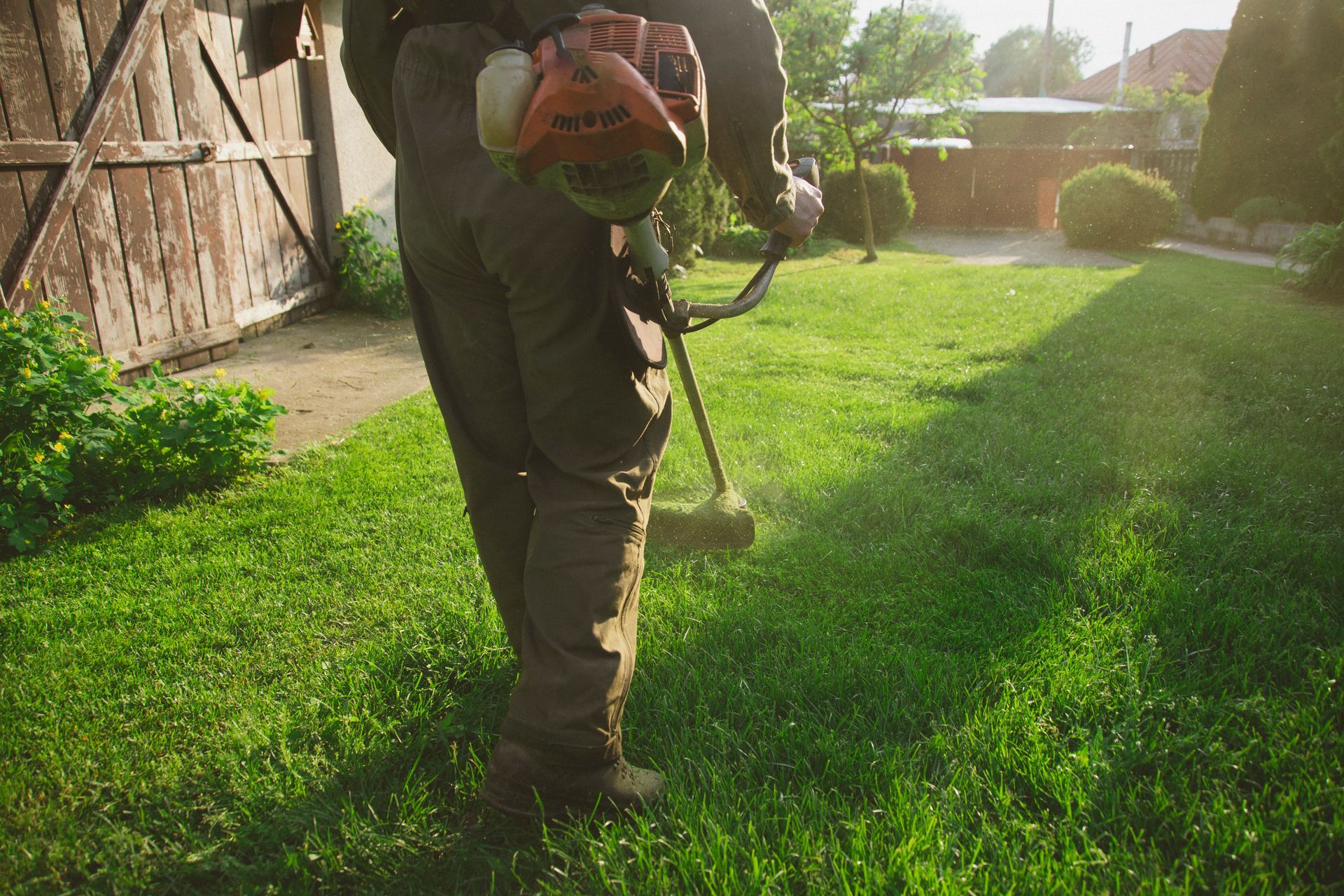
Quick Answer: Ongoing lawn maintenance is the recurring, in-season care that keeps a healthy yard looking sharp: weekly or bi-weekly mowing, edging, string trimming, and blowing off. A fall yard cleanup is a one-time seasonal service with a different job entirely: clearing leaves and dead growth, cutting back perennials, and prepping the lawn and beds to survive a Connecticut winter. They are not competing choices. Most homeowners here need both, because maintenance keeps the yard neat during the season and fall cleanup protects it once the season ends.
At OBEE Landscaping & Outdoor Design, we handle both recurring maintenance and seasonal cleanups for homeowners across Rocky Hill and the surrounding Hartford County towns, and we were named a Best of Connecticut 2026 winner. Because we do this work through every Connecticut season, we see exactly what happens to a lawn that gets one but not the other. Here is how the two differ and why the distinction matters.
What Ongoing Lawn Maintenance Covers
Lawn maintenance is the routine you see on a schedule through the growing season. It is designed to maintain a yard that is already in decent shape, keeping it consistent and neat rather than fixing or resetting it.
The defining feature is that it recurs. A maintenance visit is not about transforming your yard; it is about holding it at its best week after week.
The Core Tasks
A typical maintenance visit, usually weekly or bi-weekly during peak growth, focuses on a consistent set of tasks:
- Mowing the lawn to a steady, healthy height on a set schedule
- Edging clean lines along driveways, walkways, and garden beds
- String trimming around fences, trees, and spots the mower cannot reach
- Blowing off clippings from walks and drives so the property looks finished
What It Does Not Do
Maintenance is not a rescue service. It works best on a lawn that is already healthy and manageable, and it does not tackle a yard that has gotten out of hand with heavy debris, overgrowth, or the seasonal leaf load that fall brings. That deeper reset is a different service, which is where cleanup comes in. Our lawn mowing and maintenance covers this recurring care.
What a Fall Yard Cleanup Covers
A fall yard cleanup is a seasonal service with a protective purpose. Rather than maintaining appearance week to week, it prepares your lawn and beds for winter dormancy and the harsh months ahead.
It goes deeper than a routine mow, which is why it is scoped and priced as its own service rather than a regular visit.
The Core Tasks
Fall cleanup centers on getting organic debris off the lawn and beds before winter locks it in place:
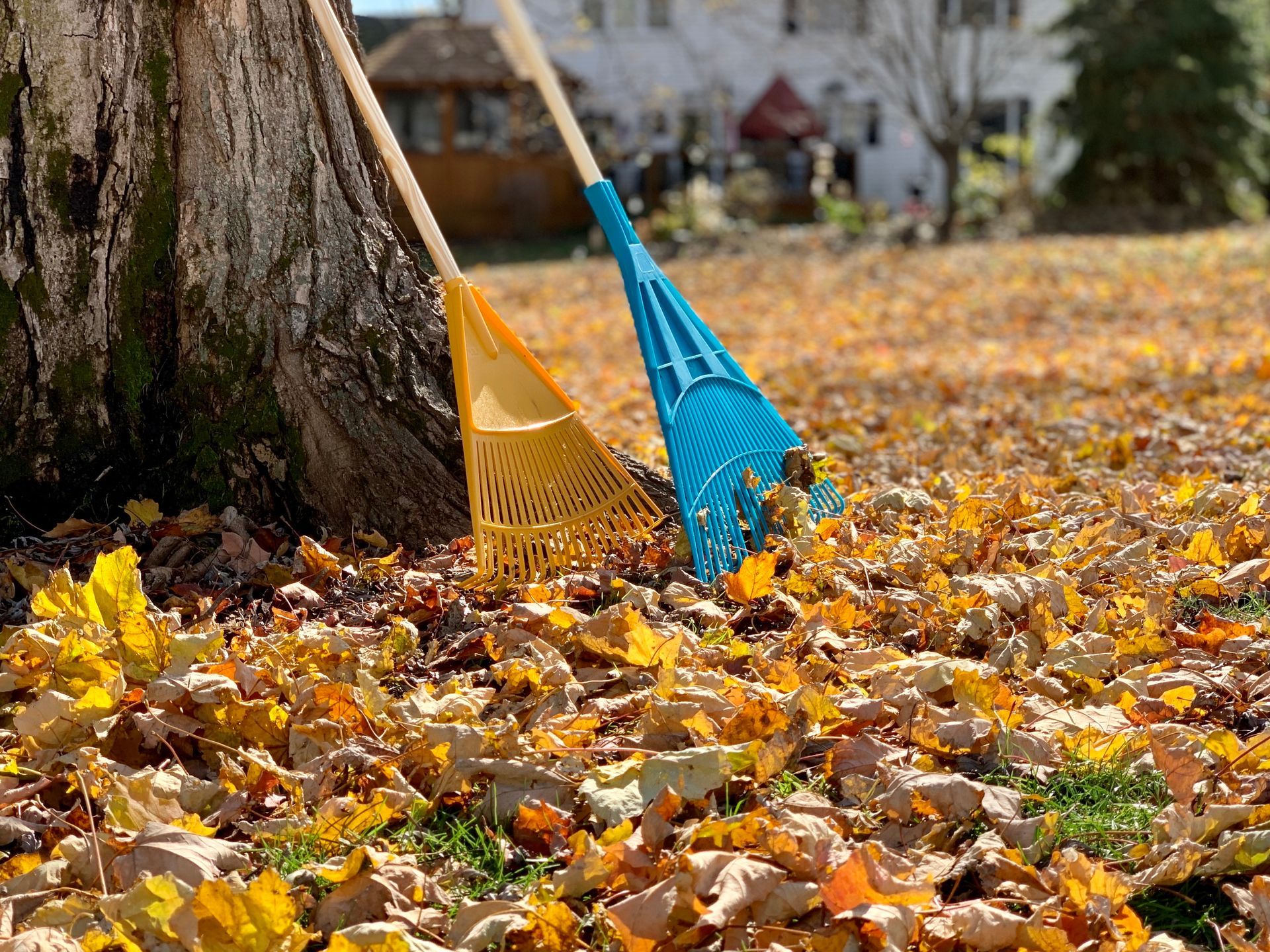
- Leaf removal, usually across more than one pass as the leaves keep dropping
- Cutting back spent perennials and pulling out finished annuals
- Clearing fallen branches and other accumulated debris
- A final cut and clearing to close the lawn out for the year
The goal is a clean, bare lawn and tidy beds heading into the cold.
Why It Is Its Own Job
The leaf load alone sets fall cleanup apart. Central Connecticut's mature oaks and maples drop a heavy volume of leaves over several weeks, often more than a normal maintenance visit can absorb, and it usually takes more than one pass as the leaves keep falling. Combined with the perennial cutbacks and bed prep, it is a distinct, labor-heavy service aimed at protection, not upkeep.
Can You Just Mulch the Leaves Into the Lawn?
You may have heard that leaving leaves is good for the soil and pollinators, and there is truth to it, but it comes with a Connecticut-sized caveat. Mowing over a light scattering of leaves to chop them into small pieces, called mulch-mowing, does return nutrients to the lawn and can work fine early in the drop. The problem is volume: once the heavy leaf fall from mature oaks and maples piles up, mulch-mowing cannot keep up, and a matted layer that smothers the grass and feeds snow mold is exactly what you are trying to avoid. In practice, a light early layer can be mulched in, but the main leaf load needs to be removed, which is the heart of a fall cleanup.
Side-by-Side: The Key Differences
Seeing the two next to each other makes the distinction clear. They overlap slightly, since both involve mowing and blowing, but their frequency, tasks, and purpose are different.
Use this to figure out which you are actually asking for when you call a landscaper.
The Comparison
| Aspect | Ongoing Lawn Maintenance | Fall Yard Cleanup |
|---|---|---|
| Frequency | Recurring, weekly or bi-weekly | One-time or seasonal |
| Main tasks | Mowing, edging, trimming, blowing | Leaf removal, cutbacks, debris, final cut |
| Purpose | Keep a healthy yard looking neat | Protect the yard before winter |
| Season | Through the growing season | Late fall, before snow |
They Work Together
The clearest way to think about it: maintenance carries your yard through the season, and fall cleanup closes the season out and sets up the next one. A yard that gets consistent maintenance all summer still needs a fall cleanup, because the leaf drop and dormancy prep happen after the mowing season winds down. Many homeowners bundle both into a single seasonal plan so nothing falls through the cracks.
Why Connecticut Yards Need Both
Skipping the fall cleanup is one of the most common and costly mistakes we see, because the damage does not show up until spring. What looks like a minor chore in November becomes a lawn problem in April.
The reason comes down to what happens under a Connecticut winter.
Snow Mold and Matted Grass
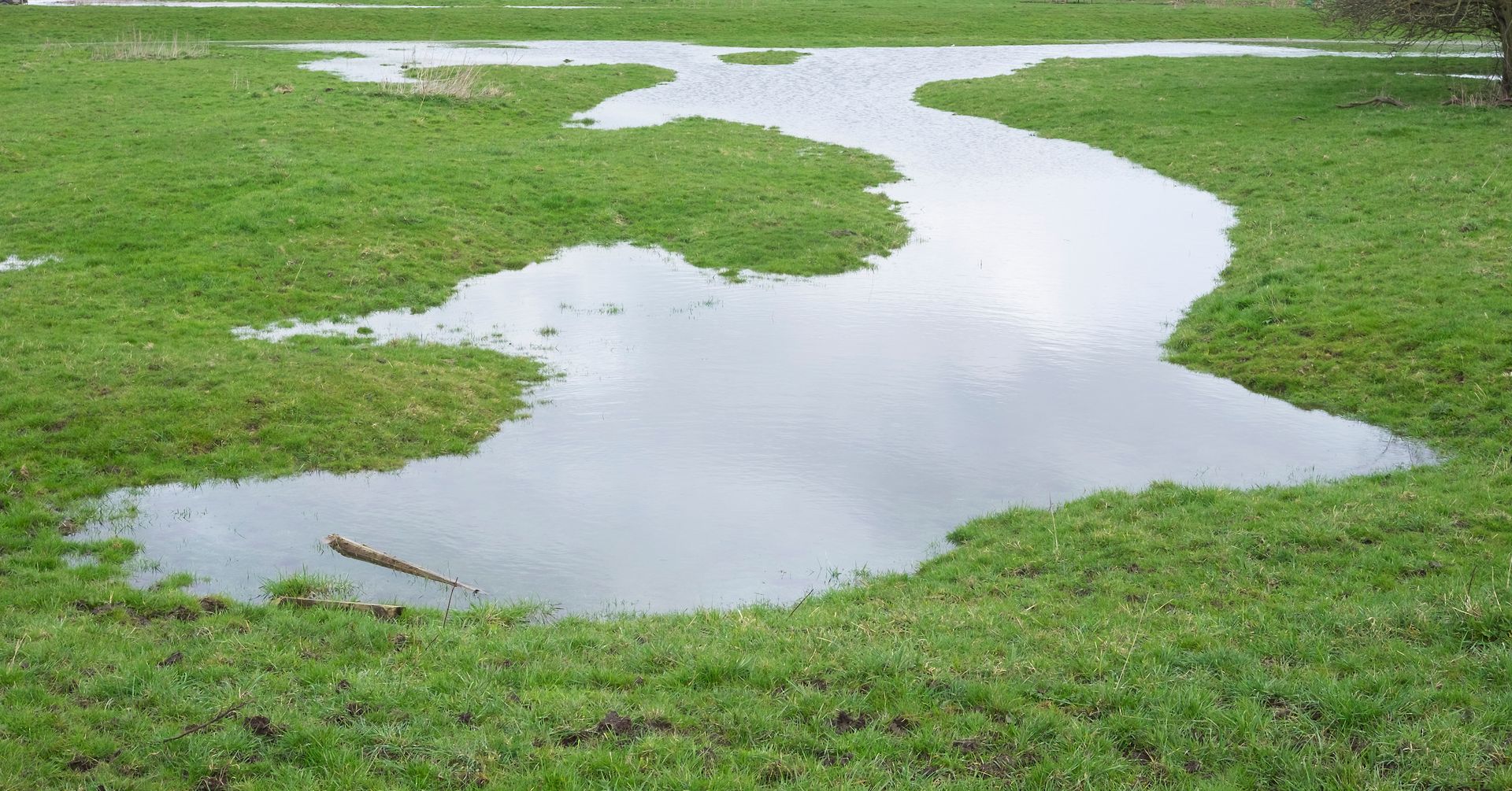
When a thick layer of leaves sits on the lawn through winter, it traps moisture and blocks sunlight from the grass beneath. Under our snow cover, that creates the ideal conditions for snow mold, a turf disease that leaves dead, matted patches you discover when the snow melts in spring. A fall cleanup that clears the leaves before the first lasting snow is the simplest way to prevent it.
Protecting Beds and Plants
The same principle applies to your beds. Cutting back spent perennials and clearing dead growth reduces the damp, decaying material that invites disease and pests over winter, and it gives your plants a clean start when they break dormancy. Even yards with few trees benefit, since windblown leaves and dead plant matter still accumulate and cause the same problems if left in place.
Getting the Timing Right
Fall cleanup is one service where timing genuinely matters, and getting it wrong undercuts the whole point. Too early and you are still fighting falling leaves; too late and the damage is already starting under early snow.
A couple of Connecticut-specific timing notes make the difference.
When to Schedule It
The sweet spot is after the bulk of the leaves have dropped but before the first lasting snowfall, which in Central Connecticut usually lands in mid to late fall. Because leaves come down over weeks, a thorough cleanup often means a final comprehensive pass rather than a single early one. Scheduling before the winter rush also means you are not scrambling when the first storm is in the forecast.
The Last Cut
The final mow of the season is worth doing a little shorter than your summer height. Long grass going into winter mats down under snow and is more prone to snow mold, while a slightly shorter final cut helps the turf stay drier and healthier through dormancy. Our guides on
how often to mow your lawn
and
when to start spring cleanup in CT round out the seasonal picture.
Keep Your Yard Healthy Through Every Connecticut Season
Whether you need recurring maintenance, a thorough fall cleanup, or both bundled into one plan, OBEE Landscaping & Outdoor Design keeps your property sharp and protected year-round. We are a locally owned, licensed and insured team serving Rocky Hill and the surrounding Hartford County communities, and a Best of Connecticut 2026 winner. Call us at (860) 490-0852 for a free quote.
Frequently Asked Questions
What is the difference between fall cleanup and lawn maintenance?
Lawn maintenance is recurring in-season care, mowing, edging, trimming, and blowing on a weekly or bi-weekly schedule, that keeps a healthy yard neat. Fall cleanup is a one-time seasonal service that clears leaves and dead growth and preps the lawn and beds for winter. Maintenance keeps up appearance; fall cleanup protects the yard before the cold.
Do I still need a fall cleanup if I have regular lawn maintenance?
Yes. Regular maintenance keeps your yard neat through the growing season, but the heavy leaf drop and winter prep happen after the mowing season winds down. A fall cleanup clears that leaf load and cuts back beds so your lawn is protected over winter, which routine maintenance visits are not scoped to handle.
What happens if I skip fall cleanup in Connecticut?
Leaves left on the lawn over winter trap moisture and block sunlight, creating ideal conditions for snow mold under our snow cover. The result is dead, matted patches that appear when the snow melts in spring, plus damp decaying material in beds that invites disease and pests. It is far easier to prevent than to repair.
When should fall cleanup be done in Connecticut?
The best window is after most of the leaves have dropped but before the first lasting snow, generally mid to late fall in Central Connecticut. Because leaves fall over several weeks, a complete cleanup often needs a final comprehensive pass rather than one early attempt.
Can one company handle both maintenance and fall cleanup?
Yes, and it is the simplest approach. Many landscapers, including us, offer recurring maintenance and seasonal cleanups together as a yearly plan, so your yard is cared for through the growing season and properly closed out before winter without you having to coordinate separate services.
Request an Estimate
For more information about our services or to schedule an estimate, call us at (860) 490-0852 or complete the form.
Request an Estimate
For more information about our services or to schedule an estimate, call us at (860) 490-0852 or complete the form.
Latest Posts