7 Signs Your Yard Has a Drainage Problem
May 11, 2026
After years of working on yards across the region, our team has seen just about every drainage issue a property can have. We've fixed soggy lawns, redirected runoff away from foundations, and helped homeowners turn unusable backyards into healthy, dry outdoor spaces. That hands-on experience is exactly why we put this guide together. If your yard has any of the signs below, you most likely have a drainage problem that needs attention. The good news is that most yard drainage issues can be solved when you catch them early and address the root cause.
Below are the seven most common signs your yard has a drainage problem, what causes them, and what you can do about it.
Quick Look: The 7 Signs at a Glance
| Sign | What You'll Notice | What It Usually Means |
|---|---|---|
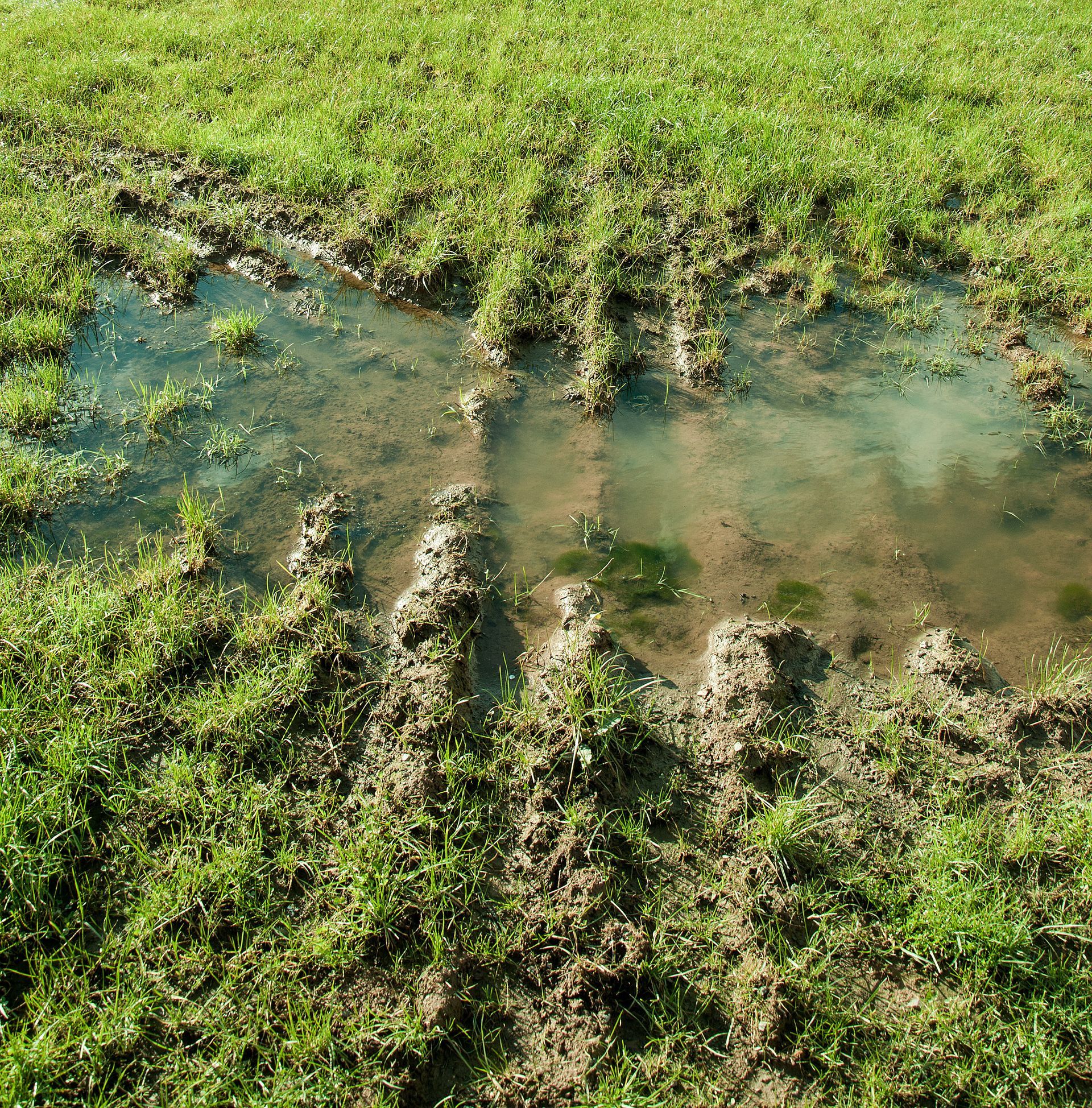
| Standing water | Puddles that last more than 24 hours | Soil cannot absorb water fast enough |
| Soggy grass | Lawn feels spongy underfoot | Soil is staying saturated below the surface |
| Erosion | Mulch and soil washed onto walkways | Water is moving across the yard with too much force |
| Foundation moisture | Damp basement walls or stains on siding | Water is being directed toward the house |
| Struggling plants | Yellow patches, thinning grass, dying shrubs | Roots are sitting in too much water |
| Pests and odors | More mosquitoes, mold spots, musty smell | Standing water is creating unhealthy conditions |
| Overflowing gutters | Water shooting from gutters or pooling under downspouts | Roof runoff is dumping into the yard |
Why Yard Drainage Problems Shouldn't Be Ignored
Yard drainage problems are more than just an eyesore. When water has nowhere to go, it slowly damages your lawn, your landscaping, and even your home. Most homeowners notice the small signs first but wait too long to act. By the time the damage becomes obvious, repairs are usually more expensive.
How Poor Drainage Impacts Your Lawn and Landscape
Grass and plants need water, but they also need oxygen at the root level. When soil stays wet for too long, roots suffocate and die. You may notice yellow patches, thinning grass, or plants that never seem to grow well. Mulch washes away, flower beds get muddy, and your lawn starts to feel more like a sponge than a yard.
The Long-Term Risks of Excess Water Around Your Home
Standing water near your home can lead to foundation cracks, basement leaks, and damaged siding. Over time, water can also create the perfect environment for mold, mosquitoes, and other pests. Fixing the drainage early helps protect your home's structure and saves you from much bigger repair costs later.
1. Standing Water That Stays After Rainfall
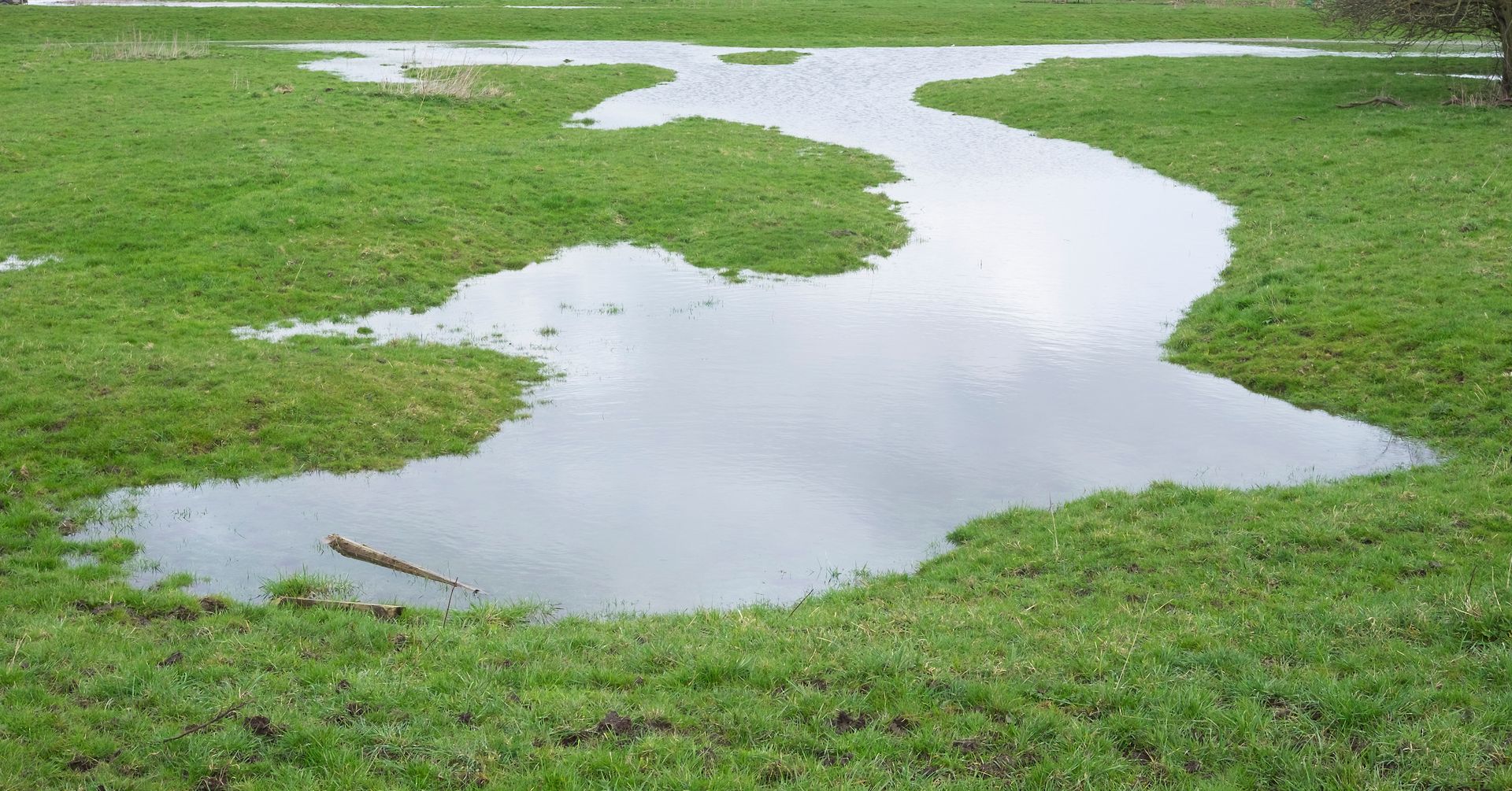
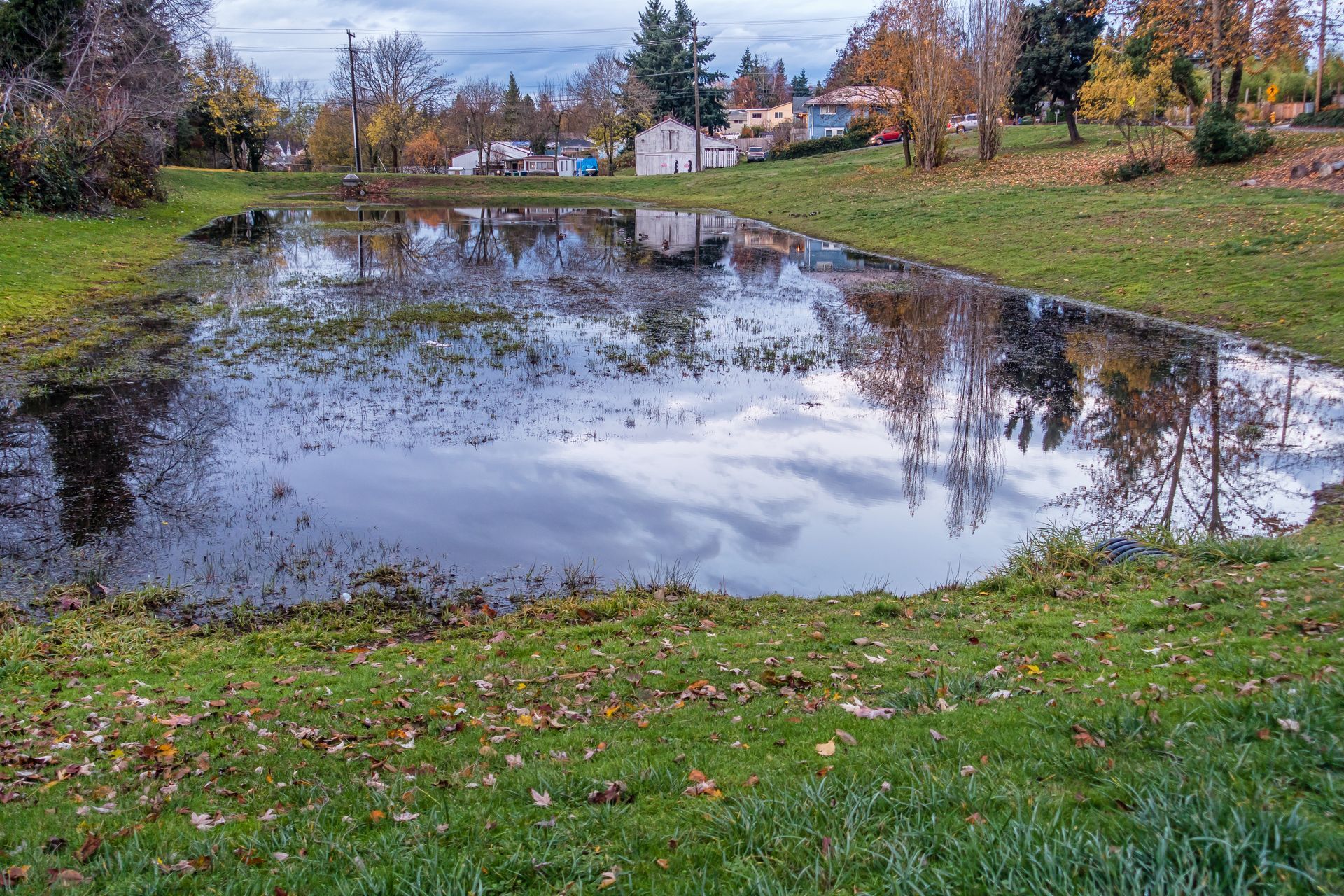
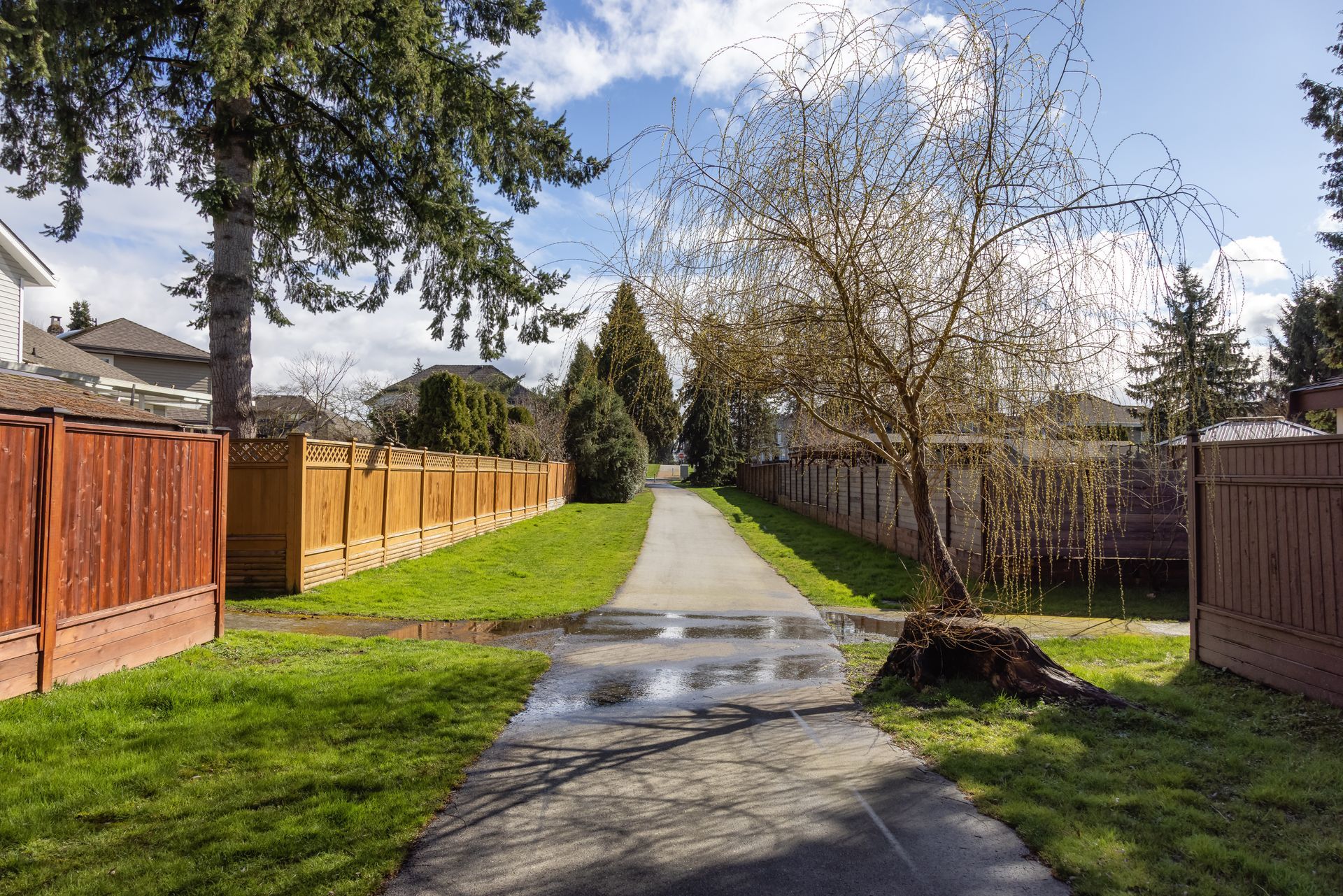
If puddles in your yard stick around for more than 24 hours after it rains, your yard is not draining the way it should.
Why Puddles Are a Major Warning Sign
Healthy soil should absorb water within a day. When water sits longer than that, it usually means the soil is compacted, the yard is graded poorly, or there is no clear path for the water to flow away.
Common Areas Where Water Collects in a Yard
Standing water often forms in low spots in the lawn, near downspouts, along fence lines, and at the base of slopes. These are the first places to check after a heavy rain.
2. Soggy or Spongy Grass Throughout the Yard
A yard that feels soft, squishy, or wet under your feet, even when it has not rained for a few days, is a clear sign of a drainage issue.
What Waterlogged Soil Looks and Feels Like
Waterlogged soil feels mushy when you walk on it. You may see footprints stay pressed into the lawn, and the grass may look darker or slick. In some cases, the surface looks dry but the soil underneath stays saturated.
How Oversaturated Soil Damages Grass Roots
Roots need oxygen to stay healthy. When soil holds too much water, roots cannot breathe and start to rot. Over time, this leads to thinning grass, bare patches, and lawn diseases that are hard to reverse. Healthy lawn care and maintenance becomes nearly impossible until the underlying drainage issue is fixed.
3. Erosion Around Landscaping and Hardscaping
Erosion is one of the easiest signs to spot because it usually leaves visible damage behind.
Mulch Washing Away After Heavy Rain
If you find mulch on your sidewalk, driveway, or pushed into one corner of a flower bed after a storm, water is moving across your yard with too much force. That means it is not soaking in or draining the right way.
Soil Erosion Near Patios, Walkways, and Slopes
You may notice exposed roots, dirt washed onto hard surfaces, or small channels cut into the soil. These are signs that water is running across the surface instead of being absorbed or directed safely away. On sloped properties, a properly built retaining wall can hold soil in place and redirect water before it causes long-term damage.
Areas Most Vulnerable to Drainage Runoff
The most vulnerable areas tend to be:
- Slopes and hillsides
- Edges of patios and walkways
- The base of retaining walls
- Spots near downspouts
These areas take the brunt of fast-moving water and show damage first.
4. Water Stains or Moisture Near Your Foundation
Your foundation should stay dry. If you see water stains, damp spots, or pooling water near the base of your home, your yard drainage is sending water in the wrong direction.
Signs Drainage Problems Are Affecting Your Home
Look for damp basement walls, peeling paint near the foundation, water marks on siding, or efflorescence, which is the white chalky residue left behind by water. Cracks in the foundation that seem to grow over time are another red flag.
Why Foundation Drainage Issues Get Worse Over Time
Water around a foundation does not just cause surface damage. It puts pressure on the walls, seeps into small cracks, and slowly weakens the structure. The longer it goes untreated, the more expensive the repair becomes. What may start as a small damp spot in the basement can turn into bowing walls, mold inside the home, or shifting that affects the framing above. This is why foundation-related drainage issues should always be treated as a priority, even when the visible signs still look minor.
5. Grass, Plants, or Trees Struggling to Grow
If parts of your yard refuse to grow no matter how much you water, fertilize, or reseed, drainage may be the real problem.
Root Damage Caused by Excess Moisture
When roots sit in wet soil, they cannot take in nutrients properly. This leads to weak plants, yellowing leaves, and grass that never fills in. In trees, you may see early leaf drop or dying branches.
Signs Certain Areas Are Receiving Too Much Water
Look for spots where the grass is darker, thicker with weeds, or covered in moss. Moss especially loves wet, compacted soil and is a strong sign that the area is holding too much water.
6. Mosquitoes, Mold, and Foul Odors in the Yard
A yard with a drainage problem often becomes an unhealthy place to spend time outdoors.
Why Standing Water Attracts Pests
Mosquitoes only need a small amount of standing water to breed. If you notice more bugs than usual, especially after rain, drainage is likely part of the problem.
How Poor Drainage Creates Unhealthy Conditions
Soggy soil and shaded wet spots can grow mold, mildew, and lawn fungus. You may also notice a musty or sour smell in certain parts of the yard. These conditions are not just unpleasant. They can also affect plants, pets, and people who spend time outside.
7. Downspouts and Gutters Overflowing Into the Yard
Your gutters and downspouts are the first line of defense against yard drainage issues. When they fail, the rest of your yard pays the price.
How Roof Runoff Contributes to Drainage Problems
A typical home roof sends thousands of gallons of water to the ground every year. If that water is not directed away from the foundation, it floods the lawn, erodes garden beds, and pools in the same spots over and over.
Signs Your Drainage System Is Not Moving Water Properly
Watch for water shooting out of gutters, downspouts that end right next to the house, or deep ruts in the soil under downspout openings. Each of these means water is being dumped where it should not be. In most cases, downspouts need to discharge at least four to six feet away from the foundation, and the water needs a clear path to follow once it leaves the spout. If the ground at the discharge point is flat, mulched, or sloped back toward the home, the gutters are creating the problem instead of solving it.
Common Causes of Yard Drainage Problems
Most drainage issues come back to one of three causes:
- Improper grading that lets water flow toward the house instead of away from it
- Compacted or clay-heavy soil that water cannot soak into
- Failing or undersized drainage systems that can no longer move water away
Here is a closer look at each one.
Improper Grading Around the Property
The yard should slope gently away from the house. If it slopes toward the home or has flat spots that trap water, drainage problems are almost guaranteed. A thoughtful landscape design plan addresses grading from the start so water always has somewhere to go.
Compacted Soil and Poor Water Absorption
Heavy clay soil, foot traffic, and construction can pack soil so tightly that water cannot soak in. Instead, it runs across the surface or pools in low areas. Newer homes are especially prone to this because the soil is often disturbed and compressed during the build, leaving very little of the loose, healthy topsoil that a yard needs to drain well. Over time, lawn aeration and adding organic matter can help, but in many cases the soil needs more aggressive correction to fully restore drainage.
Ineffective or Clogged Drainage Systems
If your property has drains, swales, or French drains that are clogged, broken, or undersized, water has nowhere to go. Many older drainage systems simply cannot handle the rainfall they were built for.
Drainage Solutions That Can Help Protect Your Property
The right solution depends on your yard, your soil, and the source of the water. Our drainage and irrigation services cover the full range of fixes below, so the right system can be matched to the actual cause of the problem.
French Drains and Underground Drainage Systems
A French drain uses a perforated pipe set in gravel to collect water and move it away from problem areas. It works well for soggy lawns, water near foundations, and slopes.
Regrading and Landscape Drainage Improvements
Sometimes the best fix is to reshape the yard so water flows in the right direction. Regrading is often paired with new plantings or hardscaping to support the changes.
Dry Creek Beds, Catch Basins, and Swales
These solutions handle surface water:
- Dry creek beds guide runoff in an attractive, natural-looking way
- Catch basins collect water at low points and send it underground
- Swales are shallow channels designed to move water across the property
Many yards benefit from a combination of these features.
When to Call a Professional for Yard Drainage Issues
Some drainage problems can be handled with small fixes. Others need a professional assessment to solve correctly.
Signs the Problem Requires More Than a DIY Fix
Call a professional if you see water near the foundation, repeated flooding in the same spots, large erosion damage, or drainage issues across most of the yard. These problems usually have multiple causes that need to be addressed together.
What a Drainage Assessment Typically Includes
A professional drainage assessment usually includes:
- A walkthrough of the property
- Soil and grading evaluation
- Inspection of gutters, downspouts, and existing drains
- A plan that targets the source of the water, not just the symptoms
A good assessment leaves you with clear next steps and honest recommendations.
becomes.
Improve Your Yard Drainage Before the Problem Gets Worse
Drainage issues do not fix themselves. The longer water sits in the wrong places, the more damage it does to your lawn, your landscaping, and your home.
Protect Your Lawn, Landscaping, and Foundation
Catching drainage problems early is the most affordable way to protect your property. A small fix today can save you from major repairs down the road.
Schedule a Professional Drainage Evaluation
If you are seeing any of the signs above, a professional drainage evaluation is the best next step. Contact our team to schedule an assessment and get a clear plan for a yard that stays healthy, dry, and usable all year long.
Frequently Asked Questions
How long should it take for water to drain from my yard after it rains?
Most healthy yards drain within 24 hours. If puddles last longer than a day, or the same spots stay wet between rainstorms, the soil is not absorbing water the way it should and you likely have a drainage problem.
Which yard drainage problems can I fix myself, and which ones need a professional?
You can usually handle small fixes on your own, like extending a downspout away from the house, aerating compacted areas, or filling in minor low spots. You should call a professional when water reaches the foundation, the same areas flood every storm, erosion is damaging hardscaping, or more than one part of the yard stays wet. Those issues almost always have more than one cause and need a full plan to fix correctly.
What time of year do yard drainage problems usually show up?
Drainage problems are most obvious in spring and after heavy storms, when snowmelt and rainfall hit the yard at the same time. Many homeowners also notice them during long stretches of wet weather in fall. If your yard struggles during these times every year, the issue is the drainage itself, not the weather.
Can poor yard drainage really damage my home's foundation?
Yes. Water that pools near the foundation puts steady pressure on the walls, seeps into small cracks, and slowly weakens the structure. Over time it can cause basement leaks, foundation cracks, and damaged siding. This is one of the most important reasons to address drainage problems early, before the repair moves from the yard to the house.
What happens if I ignore a yard drainage problem?
Drainage problems get worse, not better, with time. You can expect more dead grass and bare patches, ongoing erosion, mosquito and pest issues, and growing damage near the foundation. The longer you wait, the more areas of the property are affected, and the more expensive the fix.
Request an Estimate
For more information about our services or to schedule an estimate, call us at (860) 490-0852 or complete the form.
Request an Estimate
For more information about our services or to schedule an estimate, call us at (860) 490-0852 or complete the form.
Latest Posts