What Causes Standing Water in a Yard After Rain?
August 27, 2026
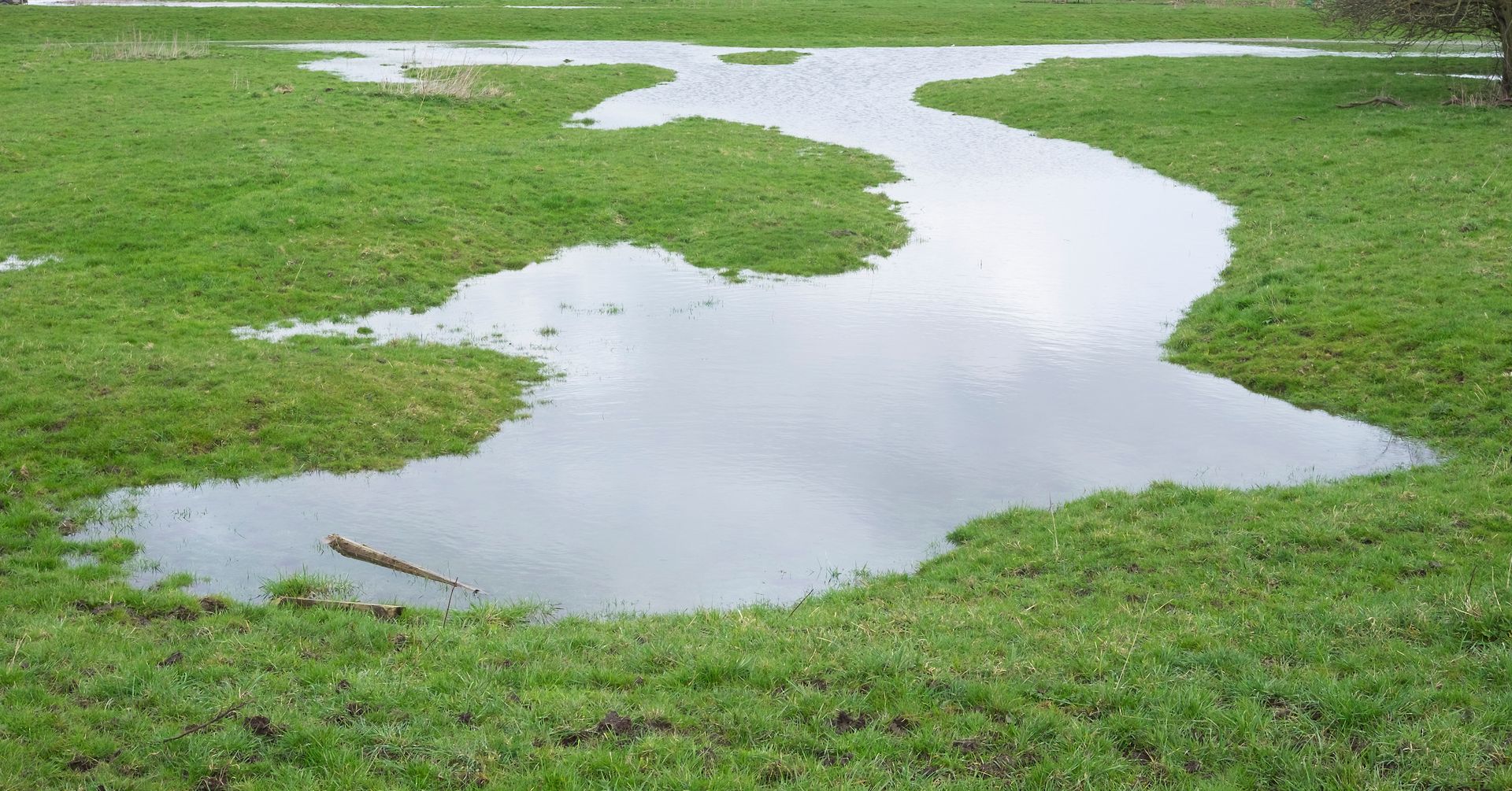
If your yard turns into a swamp every time it rains, the puddles are a symptom, not the problem. Standing water almost always traces back to how your yard is graded, what your soil is made of, or where your roof runoff ends up. In Connecticut, our heavy clay soils and freeze-thaw cycles make drainage issues especially common, and left alone, that standing water can kill grass, breed mosquitoes, and even threaten your foundation. The good news is that most causes are identifiable and fixable once you know what to look for.
At OBEE Landscaping & Outdoor Design, we diagnose and solve drainage problems for homeowners across Central Connecticut, and we see the same causes again and again. As a licensed and insured, family-owned company based in Rocky Hill since 2017 (HIC-0650801), we handle grading and drainage work as part of our landscaping services, so this guide reflects what actually causes and cures standing water on real properties.
In This Guide
- Why Standing Water Is a Problem: More than a nuisance.
- Poor Grading and Low Spots: The most common cause.
- Soil That Drains Slowly: Clay and compaction.
- Gutters and Downspouts: Roof runoff in the wrong place.
- How to Fix Standing Water: Drainage solutions that work.
- When to Call a Professional: DIY vs. a bigger fix.
- Frequently Asked Questions: Quick answers.
Why Standing Water Is a Problem
It is tempting to treat a soggy corner of the yard as a minor seasonal annoyance, but persistent standing water causes real damage over time, which is why it is worth addressing rather than ignoring. Understanding the stakes makes the fix feel a lot more urgent.
Water that sits on your lawn for a day or more suffocates grass roots and thins the turf, leaving bare, muddy patches and inviting weeds and erosion. Standing water is also the number one breeding ground for mosquitoes, which can lay eggs in even small amounts of stagnant water within days. The most serious risk is to your home itself: water that pools near the foundation can seep into a basement or crawl space and, over time, contribute to structural problems. Because addressing drainage early almost always costs less than repairing the damage it causes, the puddles are worth taking seriously the first time you notice them.
There is a Connecticut wrinkle worth calling out here too. Water that pools and then freezes in winter expands as it turns to ice, and repeated freeze-thaw cycles heave soil, crack pavement, and stress foundations more than standing water alone would in a milder climate. A soggy spot that seems harmless in October can become a heaving, icy problem by January. That seasonal pressure is one more reason not to let a drainage issue ride through a Connecticut winter, since the same water that kills grass in the fall can do structural mischief once it freezes.
Poor Grading and Low Spots
The single most common cause of standing water is grading, which is simply the slope of your yard. When the ground does not slope the right way, water has nowhere to go but down into a puddle.
Ideally, your yard should slope gently away from your house and toward appropriate drainage areas, so rainwater flows off rather than pooling. When a yard is too flat, slopes the wrong way, or has low spots where the ground dips, water collects in those areas and lingers. Low spots are often the result of settling, old fill, or areas that were never graded properly in the first place. Sometimes the fix is as straightforward as correcting the slope or filling and reseeding a low area, while more significant grading problems require reshaping the land so water drains the way it should. Because grading affects the entire way water moves across a property, getting it right is the foundation of solving most drainage issues.
Grading problems are also easy to create by accident. A new patio, addition, driveway, or even a raised garden bed can interrupt the path water used to take and send it pooling somewhere new, which is why a yard that drained fine for years can suddenly develop a wet spot after a project. Landscaping that piles soil against the foundation, or a neighbor's regrading uphill from you, can do the same. When standing water appears where it never used to, a change in grade nearby is one of the first things worth investigating, because tracing that change usually points straight to the fix.
Soil That Drains Slowly
Even with decent grading, the soil beneath your yard has a huge say in how fast water disappears, and in Connecticut the soil is often working against you. This is one of the most overlooked causes of standing water.
Clay and Compaction
Heavy clay soil, which is common across much of Connecticut, is made of very fine particles packed tightly together, so water soaks through it slowly and tends to sit on the surface instead. Compacted soil behaves the same way. Years of foot traffic, mowing, and construction press the soil down until water can barely penetrate it. In both cases, rainwater has nowhere to go quickly, so it pools and lingers long after the storm passes.
A Simple Soak Test
You can gauge your soil's drainage with an easy test: dig a hole about a foot deep, fill it with water, and time how long it takes to drain. If the water is still sitting there many hours later, your soil drains poorly and is likely contributing to your standing water. This simple check helps you and a professional understand whether the problem is the soil, the grading, or both, which points toward the right fix.
Gutters and Downspouts
Sometimes the water pooling in your yard is not really about the yard at all, but about where your roof sends its rainwater. This is one of the easiest causes to overlook and often one of the simplest to fix.
A typical roof sheds an enormous volume of water during a storm, and your gutters and downspouts are supposed to carry it safely away from the house. When gutters are clogged or downspouts are too short, they dump that concentrated water right beside the foundation or into the same spot in the yard every time it rains. That is often the source of a stubborn puddle or a chronically soggy area. Extending downspouts well away from the house, keeping gutters clear, and directing that water toward an appropriate drainage area can resolve the problem on its own, or at least remove a major contributor before tackling grading or soil.
How to Fix Standing Water
Once you know the cause, the right solution usually follows, and there is a range of fixes from simple to substantial. The best one depends on how severe and persistent the problem is.
- Regrading corrects the slope so water flows away from problem areas, and it solves many issues on its own.
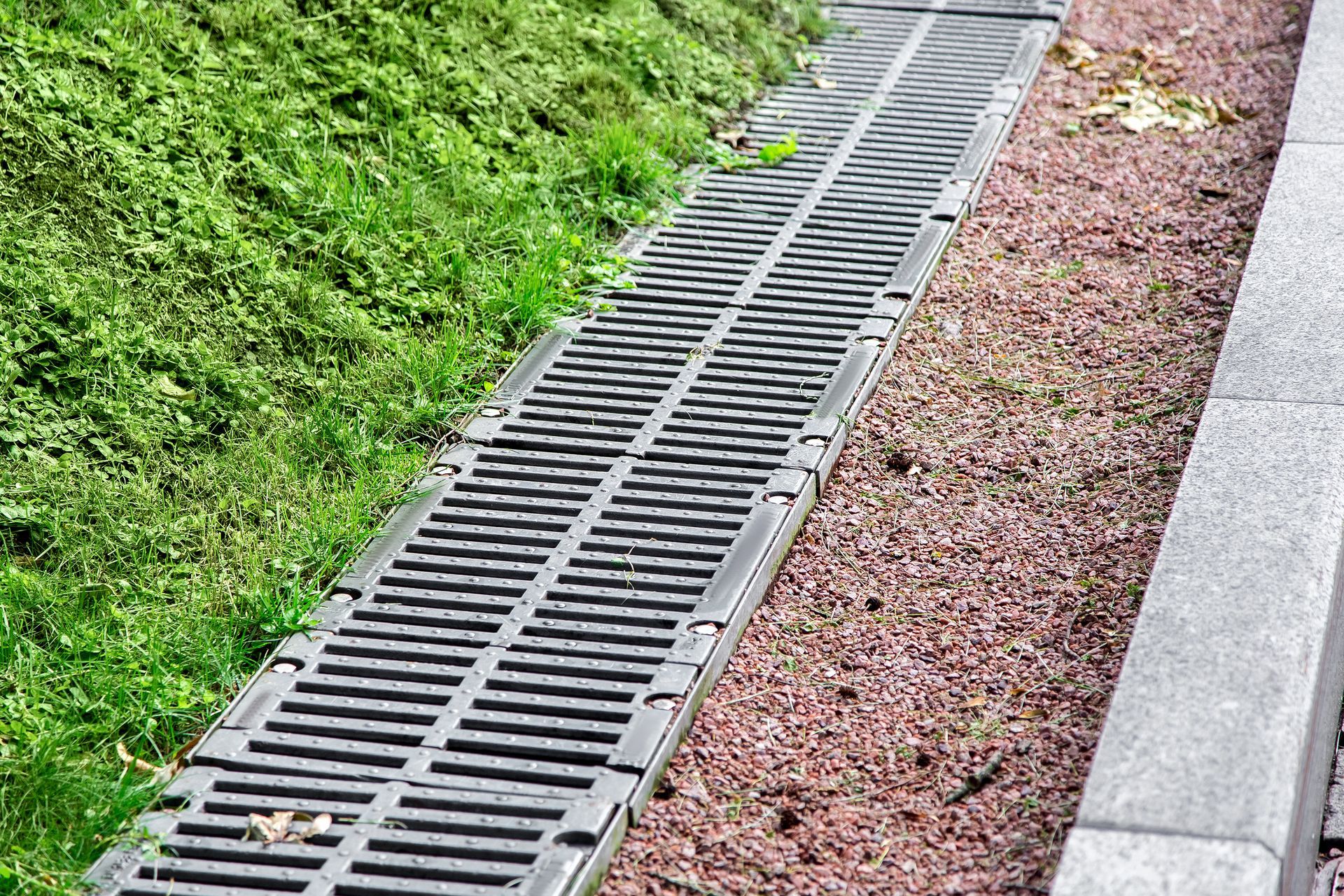
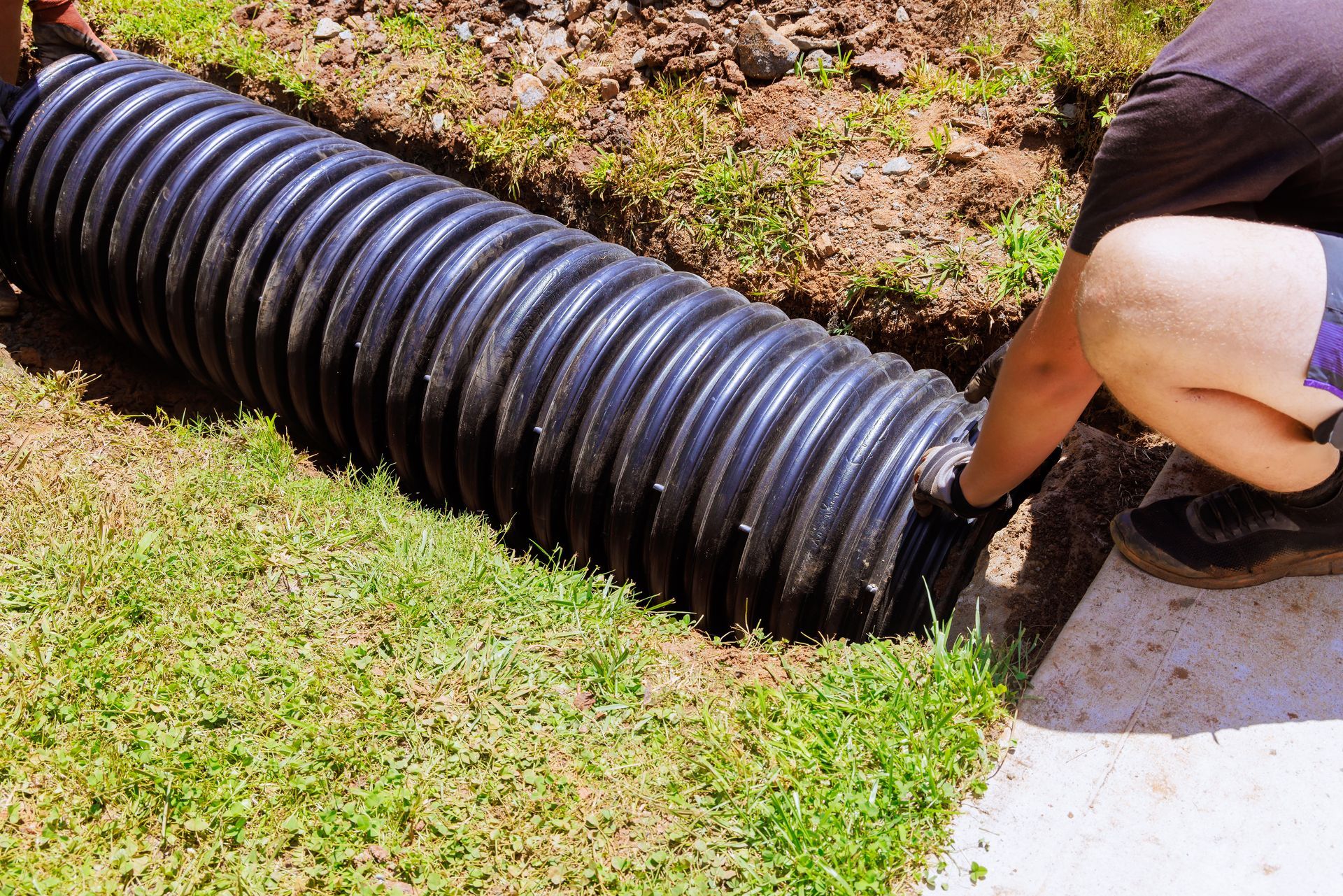
- A French drain, a gravel-filled trench with a perforated pipe, collects and redirects water from a chronically wet area to a safe outlet.
- A catch basin captures water where it pools and sends it underground to a discharge point, useful for heavy collection spots.
- A dry creek bed slows, redirects, and absorbs runoff using stone and gravel, adding a landscape feature that also works.
- A rain garden uses deep-rooted, water-loving plants in a low area to absorb and filter excess runoff naturally.
The key with any drainage system is that it needs a proper outlet, so it actually moves water away rather than just shifting the problem to another spot. Matching the solution to the cause, and installing it correctly, is what turns a soggy yard into a dry, usable one. Our
drainage and irrigation service handles exactly this kind of work across Central CT.
| Common Cause | Telltale Sign | Typical Fix |
|---|---|---|
| Poor grading | Water pools in low spots | Regrading the slope |
| Clay or compacted soil | Slow soak test, lingering puddles | French drain or catch basin |
| Gutters and downspouts | Puddle beside the foundation | Extend downspouts, redirect runoff |
When to Call a Professional
Some drainage issues are a reasonable weekend project, while others need professional equipment and know-how, so it helps to know which is which before you start digging. Recognizing the line saves you from a fix that does not hold.
Minor issues, like extending a downspout, clearing gutters, or filling a small low spot, are within reach for many homeowners. The picture changes when water sits for more than a day after rain, pools near your foundation or basement, affects large or multiple areas, or keeps coming back despite simple fixes. Those are signs of serious grading problems, deep compaction, or a high water table that DIY steps cannot solve, and they usually call for regrading or an engineered drainage system with a proper outlet. Water threatening your foundation in particular is worth a professional look sooner rather than later. If you are unsure, mapping exactly where water pools and where it comes from after the next rain gives a pro the information needed to recommend the right fix. A good drainage assessment looks at the whole picture, the grading, the soil, the gutters, and where the water can safely go, rather than treating one symptom in isolation, which is what keeps a fix from simply pushing the puddle a few feet away. You can also read our related guide on the
signs of yard drainage problems.
Solve Your Yard Drainage With OBEE Landscaping
Standing water is a fixable problem once you know its cause, and the right drainage solution protects your lawn, your yard, and your home. For grading and drainage work across Central Connecticut, OBEE Landscaping is ready to help.
Call OBEE Landscaping at (860) 490-0852 or
contact us online for a free estimate. Serving Rocky Hill and Central CT. Learn more about our
drainage and irrigation and
landscaping services.
Frequently Asked Questions
Why does water stand in my yard after it rains?
Standing water usually comes from one or more of three causes: poor grading or low spots where water collects, slow-draining soil such as heavy clay or compacted ground, and gutters or downspouts dumping roof runoff in the wrong place. Identifying which of these is at work, often a combination, is the first step to fixing it.
Is standing water in the yard a serious problem?
It can be. Beyond killing grass and breeding mosquitoes, water that pools near your foundation can seep into a basement or crawl space and contribute to structural damage over time. Because drainage problems tend to worsen and repairs get more expensive, it is best to address standing water early rather than treat it as a seasonal nuisance.
How do I get rid of standing water in my yard?
The right fix depends on the cause. Regrading corrects the slope, a French drain or catch basin redirects water from chronically wet spots, and a dry creek bed or rain garden manages runoff naturally. Simple issues like a short downspout are easy to fix yourself, while persistent or foundation-threatening water usually needs a professional drainage system.
Why is standing water so common in Connecticut yards?
Much of Connecticut has heavy clay soil that drains slowly, so water tends to sit on the surface rather than soak in. Freeze-thaw cycles and periods of heavy rain add to the challenge, and older properties often have grading that no longer directs water where it should. These conditions make proper drainage especially important here.
When should I call a professional about yard drainage?
Call a pro when water sits for more than a day after rain, pools near your foundation or basement, affects large or multiple areas, or keeps returning despite simple fixes. These point to serious grading, compaction, or water-table issues that need regrading or an engineered drainage system with a proper outlet, rather than a quick do-it-yourself patch.
Request an Estimate
For more information about our services or to schedule an estimate, call us at (860) 490-0852 or complete the form.
Request an Estimate
For more information about our services or to schedule an estimate, call us at (860) 490-0852 or complete the form.
Latest Posts