When Is the Best Time to Start Lawn Mowing Service for the Season?
April 24, 2026
At Obee Landscaping, we've spent years working with Connecticut lawns through every season. We know firsthand how the cold winters and wet springs in this region affect grass growth. Our team has helped hundreds of local homeowners figure out the right time to start mowing and how to set their lawns up for a strong, healthy season. This guide draws on that hands-on experience to give you clear, practical answers, not guesswork.
Quick Answer: When Should You Start Mowing in Spring?
Start mowing when your grass reaches about 3 to 3.5 inches tall and the soil temperature is consistently above 50 degrees Fahrenheit. In Connecticut, that usually happens sometime between late March and early May, depending on the year and your specific location. Don't go by the calendar alone. Go by what your lawn is actually telling you.
What Is the Grass Growth Temperature Threshold?
Grass needs warmth to grow. Most cool-season grasses, which are the type common in Connecticut, start actively growing when soil temperatures reach 50 degrees Fahrenheit. Once soil temps hit that range consistently, the grass root system wakes up and starts pushing new growth.
Here's why soil temperature matters more than air temperature: air can warm up quickly after a few sunny days, but the soil holds cold much longer. You might have a warm week in late March, but the soil could still be too cold for real growth to take hold.
Cool-season grasses common in the Northeast, like Kentucky bluegrass, tall fescue, and perennial ryegrass, thrive in cooler conditions and hit their stride in spring and fall. They don't need blazing heat to grow. They need consistent soil warmth and moisture, both of which Connecticut provides in abundance during spring.
What Is the Spring Lawn Care Schedule?
A good spring lawn care schedule follows a simple order of operations. Before you fire up the mower, there are a few steps that set the whole season up for success.
Early Spring (March into April): Start by walking your lawn and doing a full assessment. Look for damage from winter, spots where snow mold may have settled, and areas where the soil has heaved from freeze-thaw cycles. Rake out any matted leaves, dead grass, or debris that has built up over the winter months.
This is also the right time to aerate if your lawn has compacted soil. Core aeration opens up the soil, helps water and nutrients get to the roots, and gives new grass seed room to establish if you plan to overseed.
Mid-Spring (April into May): Once soil temperatures are consistently above 50 degrees and your grass has reached that 3 to 3.5 inch mark, it's time to start mowing. This is also when you can apply a slow-release spring fertilizer to give the grass a steady supply of nutrients as it enters its active growth phase.
If you plan to overseed thin or bare areas, do it early enough that new seed has time to establish before summer heat sets in. Late April is often the sweet spot in Connecticut.
Late Spring (May into June): By now, your lawn mowing maintenance schedule should be in full swing. Most Connecticut lawns will need cutting once a week during peak spring growth. Keep up with edging and trimming around beds, walkways, and fences to keep everything looking sharp.
How Tall Should Grass Be Before the First Mow?
The general rule is to mow when grass reaches 3 to 3.5 inches and to cut it down to no lower than 2.5 to 3 inches. This ties into something called the one-third rule: never remove more than one-third of the grass blade in a single mowing session.
Cutting too much at once puts real stress on the plant. It forces the grass to use stored energy to recover instead of building deep, healthy roots. Over time, scalping your lawn, cutting it too short too fast, weakens the turf and opens the door for weeds to move in.
For the very first mow of the season, go a little higher than you might later in the year. Starting at around 3 inches helps protect the crowns of the grass plant while the root system is still waking up from winter.
Signs Your Lawn Is Ready to Mow
Beyond measuring grass height, there are a few visual and physical cues that tell you when your lawn is ready for that first cut:
The grass has color. If your lawn is still showing yellow or brown patches, it hasn't fully come out of dormancy yet. Wait until you see a consistent green across most of the lawn.
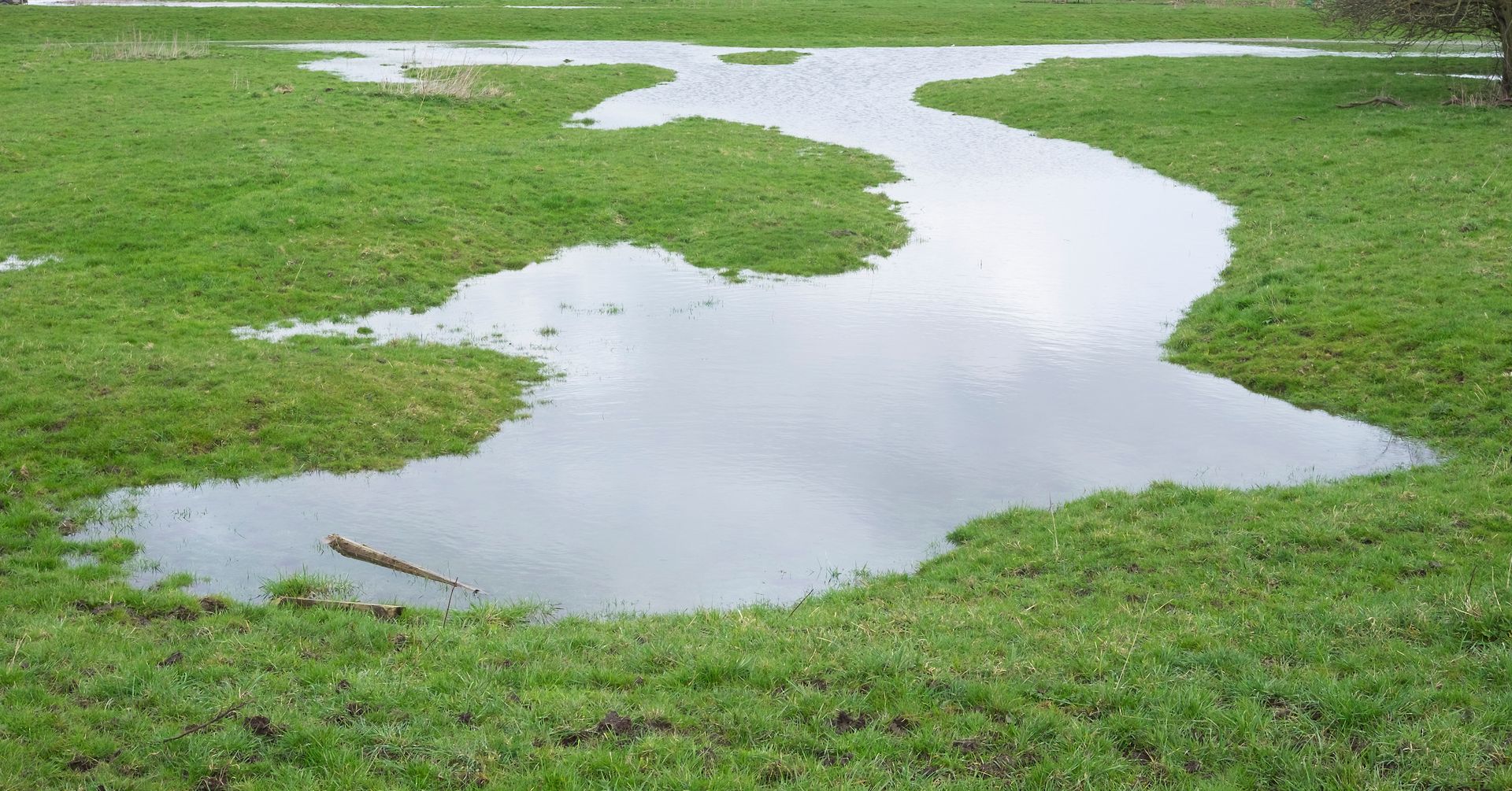
The soil is firm. After spring thaw, the soil can be soft and saturated with water. Mowing on wet, soft ground compacts the soil and can leave deep ruts from the mower wheels. If your yard stays consistently wet or soggy in spring, it may be worth looking into drainage and irrigation solutions to prevent long-term turf damage. Wait until the soil firms up enough that you're not sinking in as you walk.
Growth is steady. A few blades poking up here and there doesn't mean it's time to mow. Wait until the lawn is growing actively and evenly before you start your regular schedule.
Warm Season vs. Cool Season Grass Timing
Connecticut is firmly in cool-season grass territory, so if you're maintaining a lawn here, you're almost certainly working with grasses like tall fescue, Kentucky bluegrass, or perennial ryegrass. These grasses follow a spring and fall growth pattern, and they slow way down during the heat of summer.
Understanding this matters because warm-season grasses, like Bermuda or zoysia, follow a completely different schedule. They go dormant in winter and don't green up until soil temperatures hit 65 degrees or higher, which in Connecticut might not happen until June.
If you've moved from the South or are caring for a lawn with mixed grass types, knowing what you're working with will help you time your spring startup correctly. For most Connecticut homeowners, the cool-season schedule is what applies: first mow in late March to early May, depending on spring conditions.

Connecticut Lawn Care Tips for Early Spring
Connecticut's climate comes with its own quirks. Winters here can be long and wet, and spring often brings a stretch of cold, rainy days before things finally warm up. Here's what that means for your spring lawn care:
Watch for snow mold. After a heavy snow cover, it's common to find circular patches of matted, grayish or pinkish grass. This is snow mold, a fungal disease that develops under snow. Light raking usually helps it recover, but heavy cases may need treatment.
Don't rush the first fertilizer application. Applying fertilizer too early, before the grass is actively growing, can push leaf growth before the roots are ready to support it. Aim to fertilize once you've mowed two or three times and the lawn is clearly in an active growth phase.
Be patient with bare spots. If you had winter damage or areas that didn't survive the cold, resist the urge to dump seed and fertilizer on them immediately. Assess them first, amend the soil if needed, then overseed with a quality mix that matches your existing grass type.
Mow when it's dry. Spring in Connecticut means a lot of rain. Mowing wet grass leads to clumping, uneven cuts, and can spread disease across the lawn. If you can, wait for a dry window of at least a day or two before cutting.
Fertilizing Before the First Mow
The timing of your first spring fertilizer application matters quite a bit. Many homeowners want to get fertilizer down early, as soon as they see the lawn greening up. But a better approach is to wait until the lawn is actively growing and you've already done your first couple of mows.
A slow-release nitrogen fertilizer applied in mid-spring gives the grass steady nutrition through the rest of the season without pushing fast, weak growth. Fast-release fertilizers applied too early can lead to a burst of top growth that the root system can't keep up with, which actually weakens the lawn over time.
If you want to apply something in very early spring, a light application of a balanced, slow-release product is a better choice than a high-nitrogen fertilizer.
Mowing Height Recommendations
Getting your mowing height right is one of the most important things you can do for long-term lawn health. Here's a general guide for cool-season grasses in Connecticut:
- Spring and Fall: Mow at 3 to 3.5 inches. This is the active growth season for cool-season grasses, and keeping the blades a little taller helps with photosynthesis and root development.
- Summer: Raise the mowing height to 3.5 to 4 inches. Taller grass shades the soil, keeps it cooler, and reduces moisture evaporation during hot weather.
- First mow of the season: Don't go below 3 inches. The grass needs that blade length to support root growth as it wakes up.
- Last mow of the season: Drop back to around 2.5 to 3 inches for the final fall cut. This helps prevent snow mold by reducing the amount of long grass that can mat down under snow cover.
Lawn Mowing Frequency in Spring
During peak spring growth, most Connecticut lawns need mowing once every five to seven days. Growth slows a little as the season moves toward summer, and you can usually extend the interval to every seven to ten days by June.
The key is to stay on top of it consistently. Letting the lawn go too long between cuttings means you'll have to remove too much blade in one session, which stresses the grass. Frequent, light mowing is always better than infrequent, heavy cutting.
Best Time of Day to Mow the Lawn
The best time to mow is mid-morning, after the dew has dried but before the heat of the afternoon sets in. Mowing wet grass from morning dew leads to clumping and uneven cuts, and it can also spread fungal disease across the lawn. Mowing in the heat of the afternoon puts extra stress on the grass right after you've just cut it.
Early evening is also a reasonable option if mid-morning doesn't work for your schedule. Just make sure the lawn has enough daylight and dry time before nightfall, since grass cut in the evening that stays damp overnight is more susceptible to fungal problems.
Lawn Care After Winter: The Full Spring Startup Checklist
Before you start your regular mowing routine, run through this startup checklist to make sure your lawn is set up for a healthy season:
- Rake and remove dead leaves, debris, and any matted grass from winter
- Check for signs of snow mold and lightly rake affected areas
- Assess soil compaction and aerate if needed
- Check for bare or thin areas that may need overseeding
- Test soil if you haven't done so recently, pH and nutrient levels can drift over time
- Sharpen your mower blade before the first cut
- Wait for soil to firm up before driving or walking heavily on the lawn
- Apply fertilizer only after the lawn is actively growing, not before the first mow
- Begin regular mowing once grass reaches 3 to 3.5 inches
Following this sequence each spring makes a real difference in how your lawn performs through the rest of the year. The lawns that look the best in July and August are almost always the ones that got the right start in April and May. To learn more about the full range of landscaping services Obee offers throughout the season, visit our services page.
Ready to Start the Season With a Lawn That Looks Great?
Spring moves fast in Connecticut. The difference between a lawn that thrives all summer and one that plays catch-up often comes down to what happens in those first few weeks of the season.
If you'd rather leave the timing, equipment, and weekly upkeep to a team that knows Connecticut lawns inside and out, Obee Landscaping is here to help. We serve homeowners across the region and take the guesswork out of spring lawn care from the very first cut.
Contact us today to get a quote for lawn mowing service and get your yard off to the right start this season.
Frequently Asked Questions
What month should I start mowing my lawn in Connecticut?
Most Connecticut homeowners can plan to start mowing sometime between late March and early May. The exact timing depends on the spring weather that year. Rather than going by the calendar, watch for two things: soil temperatures holding consistently above 50 degrees Fahrenheit and your grass reaching 3 to 3.5 inches tall. When both are true, you're ready.
Is it okay to mow wet grass in the spring?
It's best to avoid it if you can. Mowing wet grass leads to uneven cuts, clumping under the deck, and can spread fungal disease across the lawn. It also increases the risk of soil compaction and ruts if the ground is still soft from snowmelt. Wait for a dry stretch of at least a day before cutting, especially for the first few mows of the season.
How short should I cut my grass for the first mow of the year?
Don't go lower than 3 inches on that first cut. Cutting too short too early puts stress on the grass while the root system is still recovering from winter dormancy. Follow the one-third rule: never remove more than one-third of the blade in a single mowing session. Starting a little higher protects the plant and sets the lawn up for stronger growth as the season progresses.
Should I fertilize before or after the first mow?
After. Fertilizing before the lawn is actively growing can push fast, weak top growth that the roots aren't ready to support. Wait until you've mowed two or three times and the lawn is clearly in full growth mode, then apply a slow-release nitrogen fertilizer. This gives the grass steady, balanced nutrition rather than a short burst it can't use efficiently.
How do I know if my lawn needs professional mowing service vs. doing it myself?
If you have the time, equipment, and willingness to mow consistently every five to seven days during peak spring growth, doing it yourself is completely manageable. Professional lawn mowing service makes the most sense when your schedule doesn't allow for regular upkeep, when your property has complex terrain or large square footage, or when you want consistent results without the maintenance burden. A professional crew also brings sharp blades and calibrated equipment, which makes a real difference in turf health over time.
Request an Estimate
For more information about our services or to schedule an estimate, call us at (860) 490-0852 or complete the form.
Request an Estimate
For more information about our services or to schedule an estimate, call us at (860) 490-0852 or complete the form.
Latest Posts